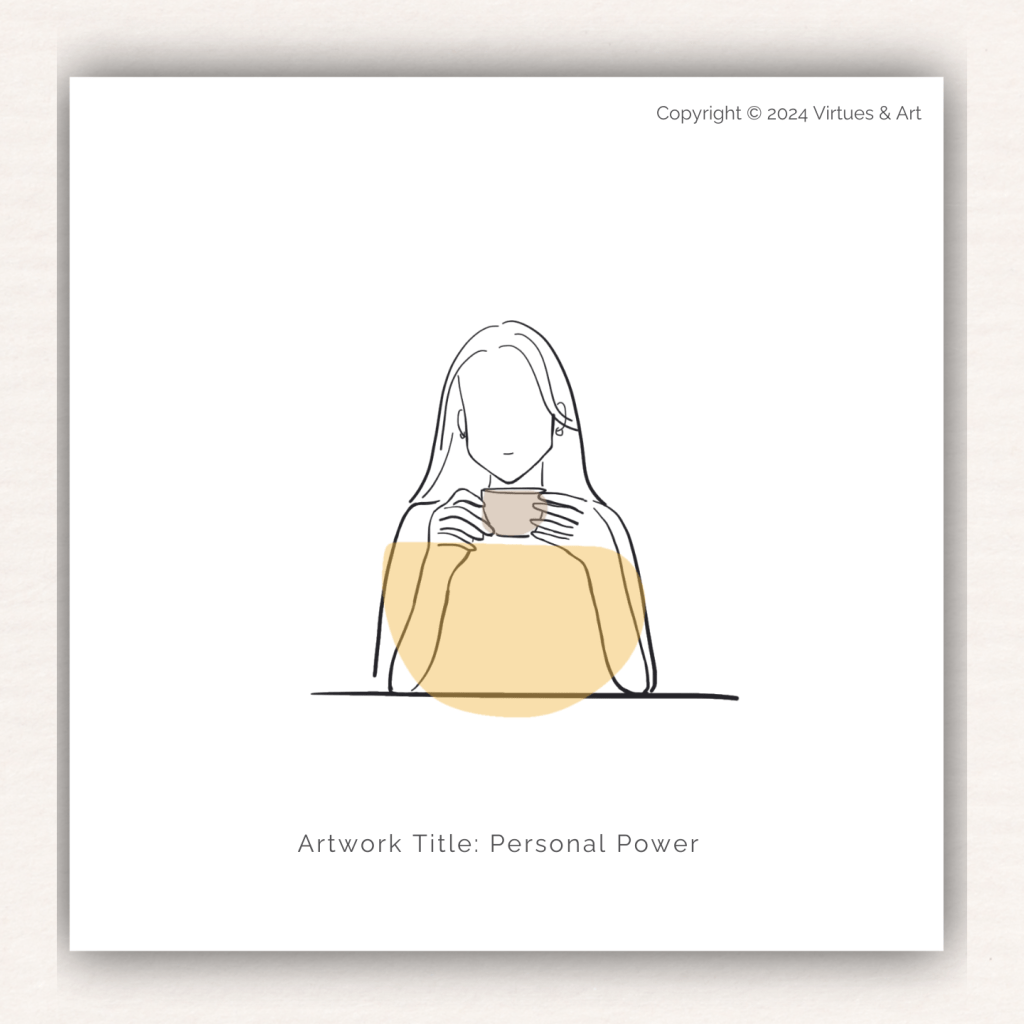
Emotional regulation is the ability to manage and respond to emotions in a healthy, constructive way. It’s a skill that allows us to navigate life’s challenges with calmness and clarity, empowering us to take control of our reactions instead of letting our emotions control us.
The Importance of Emotional Regulation
- Emotional Power Equals Personal Power
When you have the ability to regulate your emotions, you reclaim your personal power. Instead of reacting impulsively to anger, frustration, or fear, you can choose a thoughtful, measured response. - Calm in the Face of Adversity
Emotional regulation allows you to remain calm and composed even when faced with stressful situations. This skill enhances resilience, allowing you to approach challenges with clarity and confidence. - Greater Emotional Health
Learning how to regulate your emotions leads to better mental health and emotional well-being. It reduces stress, enhances self-esteem, and promotes inner peace.
Practical Tips for Emotional Regulation
- Pause Before Reacting: When emotions rise, take a moment to pause before reacting. This gives you time to process your emotions and choose how to respond.
- Practice Mindfulness: Mindfulness meditation is a powerful tool for emotional regulation, helping you observe your emotions without judgment.
- Cognitive Reframing: Learn to reframe negative thoughts and emotions, viewing situations from a more balanced perspective.
Emotional regulation is a key skill for leading a balanced, empowered life. By learning to master your emotions, you gain control over your reactions and foster greater emotional well-being.
 Virtues & Art
Leave a comment