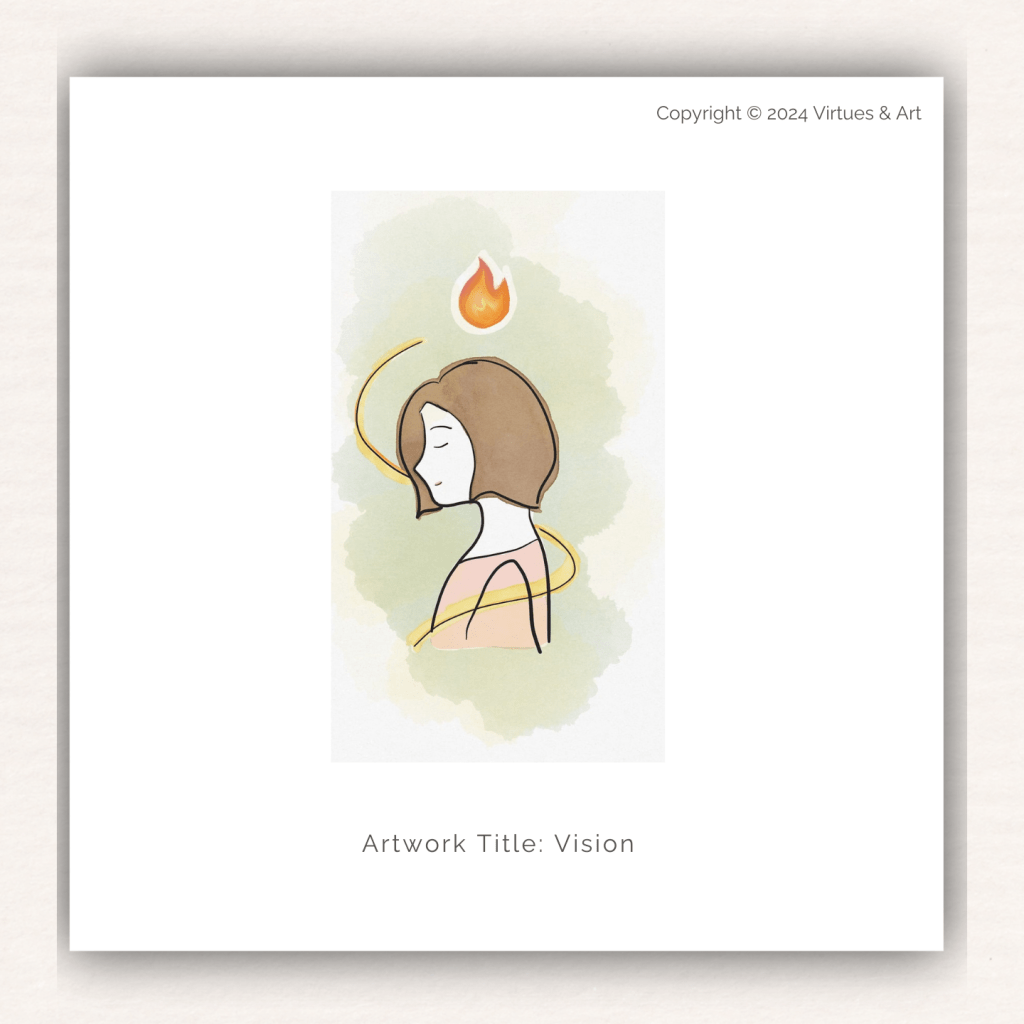
Virtue-based meditation is an ancient practice that originated in Roman philosophy and was used by figures like Marcus Aurelius to cultivate personal virtues such as courage, wisdom, and self-discipline. Today, we can adapt these practices to guide us toward personal growth and emotional well-being.
What Is Virtue-Based Meditation?
Virtue-based meditation is a practice that focuses on contemplating specific virtues — such as patience, courage, or justice — in order to cultivate these qualities in your daily life. Unlike other forms of meditation that focus on emptying the mind or observing thoughts, virtue-based meditation encourages active engagement with higher ideals.
How to Practice Virtue-Based Meditation
- Choose a Virtue: Begin by selecting a virtue that you want to focus on, such as wisdom, patience, or integrity. This can be guided by what you feel is most relevant in your life at the moment.
- Prepare Your Space: Find a quiet space where you won’t be disturbed. You may choose to place a piece of virtue-based therapeutic artwork nearby to serve as a visual anchor during your meditation.
- Reflect on the Virtue: Close your eyes and bring your chosen virtue to mind. Reflect on what it means to embody that virtue. Consider how this virtue could manifest in your thoughts, actions, and relationships.
- Visualize the Virtue in Action: Imagine yourself embodying this virtue in a challenging situation. What would it look like to act from a place of wisdom or courage? How would it feel to live in alignment with this ideal?
- Integration: After your meditation, take a moment to reflect on the experience. Write down any insights or thoughts that arose. Throughout the day, remind yourself of this virtue and strive to practice it in your actions.
Virtue-based meditation offers a structured, purposeful practice for cultivating the virtues that lead to a more fulfilled, balanced life. Rooted in ancient Roman philosophy, this practice can help you navigate modern challenges with a sense of clarity and strength.
 Virtues & Art
Leave a comment