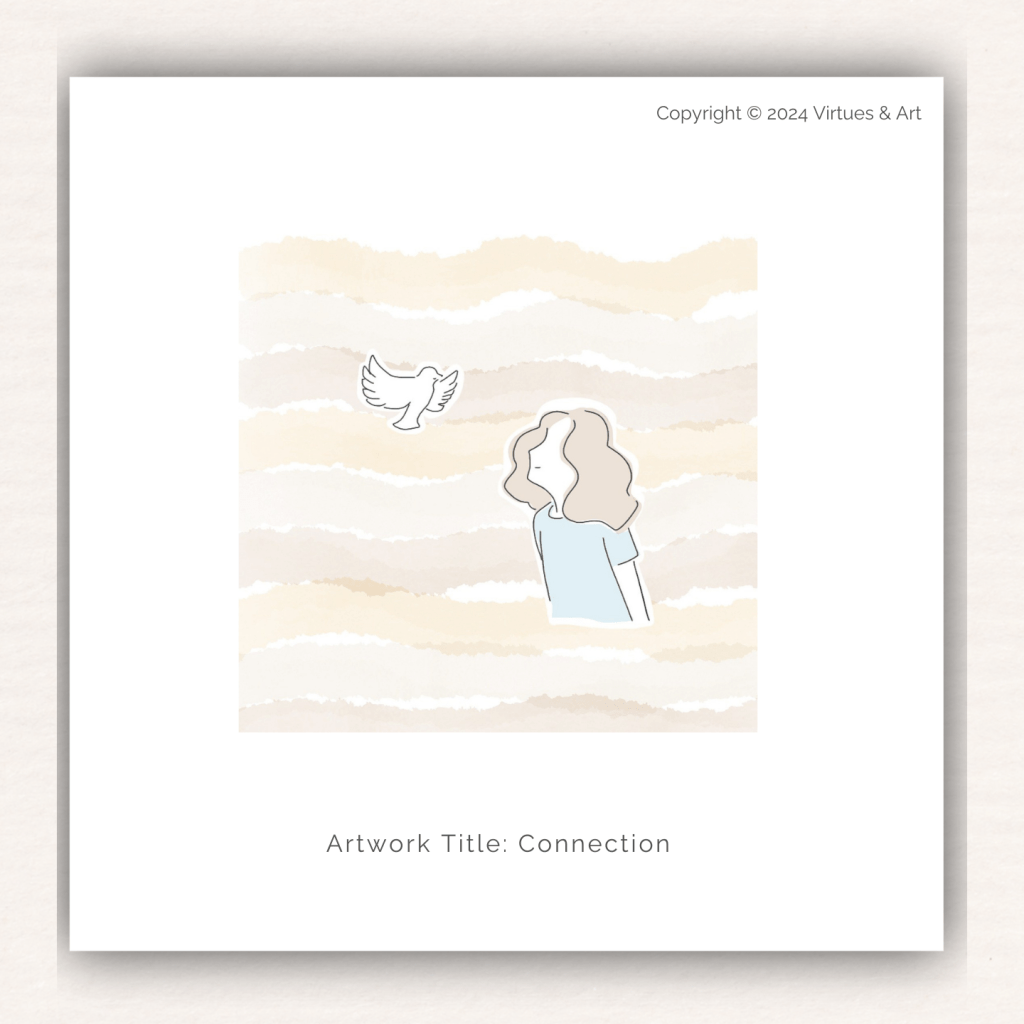
Therapeutic art plays a vital role in shaping our cognitive perspectives by allowing us to externalize complex emotions and thoughts through creative expression. This process can significantly alter how we perceive and interact with the world.
Cognitive Restructuring Through Art: Therapeutic art encourages cognitive restructuring by providing a physical form to abstract ideas. When emotions and thoughts are externalized, they can be analyzed and understood from new angles. This act of creation often leads to a re-evaluation of previous beliefs and attitudes.
Enhancing Mindfulness and Awareness: Engaging in therapeutic art increases mindfulness, focusing the artist on the present moment and the actions of drawing or painting. This heightened awareness can lead to better emotional regulation and reduced stress, as it diverts attention from distressing thoughts to the act of creation.
Facilitating Emotional Expression: Many people struggle to articulate their feelings verbally. Therapeutic art provides an alternative medium for expression. By using different colors, shapes, and forms, individuals can convey feelings that might be too difficult to express through words.
Promoting Neuroplasticity: Creating art stimulates the brain, promoting neuroplasticity—the brain’s ability to reorganize itself by forming new neural connections. This activity can help in developing new ways of thinking and can enhance cognitive flexibility.
Encouraging Empathy and Perspective-Taking: Viewing and creating art can foster empathy. By interpreting the emotional content of artworks, whether created by oneself or others, viewers can better understand different emotional states and viewpoints, broadening their cognitive perspectives.
Therapeutic art is not just a form of expression but a powerful tool for cognitive transformation. By engaging in art therapy, individuals can reshape their perceptions and enhance their mental flexibility, leading to more adaptive and resilient cognitive patterns.
 Virtues & Art
Leave a comment