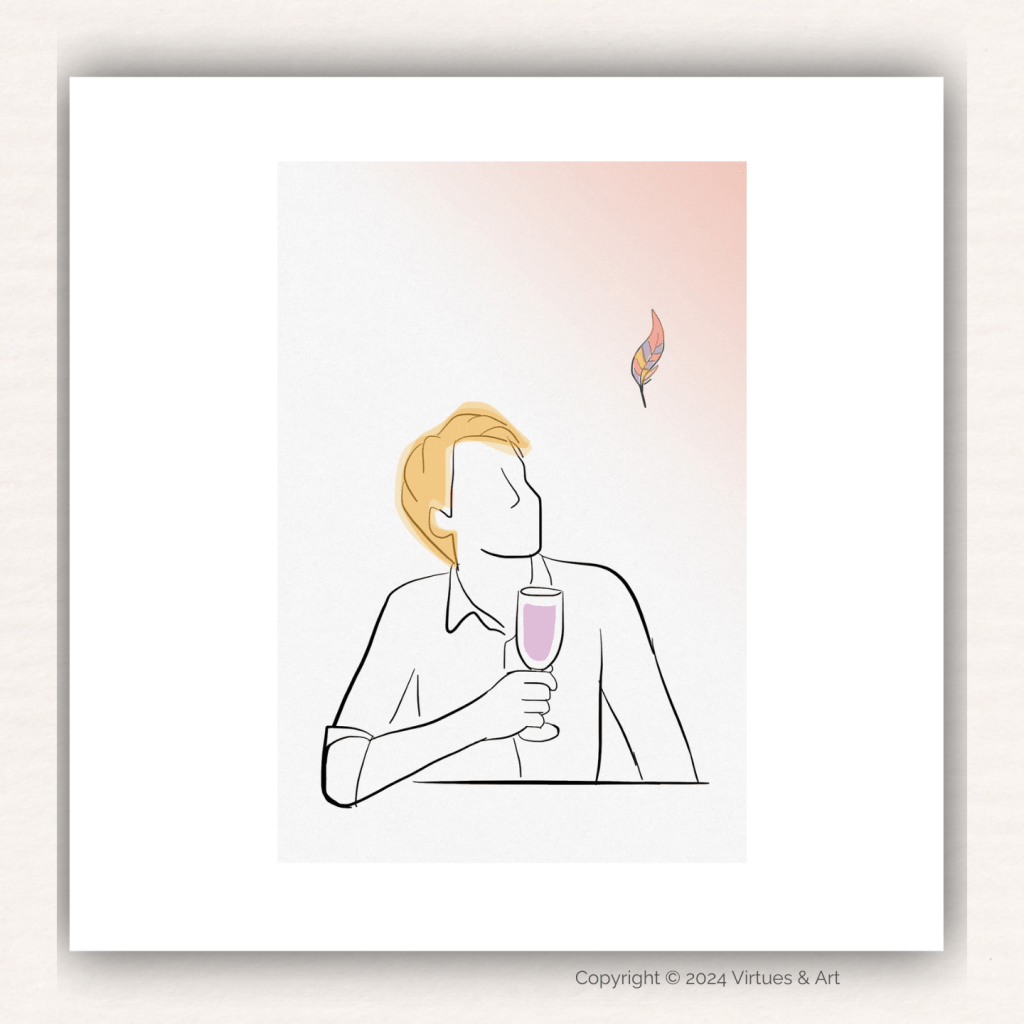
Therapeutic art provides a safe and effective way to explore and manage emotions, especially through the use of symbolism. Symbols enable individuals to express feelings that may be hard to articulate, facilitating emotional regulation and self-understanding. This article delves into how therapeutic art and symbolism work together to support emotional well-being, exploring how art can be used to manage and process emotions constructively.
- The Role of Symbolism in Expressing Emotions
- Symbols serve as visual representations of complex emotions, allowing individuals to externalize and better understand their feelings. For example, a stormy sea might represent inner turmoil, while a steady mountain can symbolize resilience and strength.
- By using symbols, individuals can express emotions that may feel overwhelming or inaccessible, creating a visual narrative of their inner experiences. This practice offers a safe outlet for processing emotions without the need for extensive verbal explanation.
- Scientific Insight: Studies in Art Therapy suggest that visual symbolism bypasses verbal barriers, providing a direct route to expressing and processing emotions. This process stimulates the brain’s limbic system, helping individuals access and regulate emotions at a deeper level.
- How Therapeutic Art Supports Emotional Regulation
- Emotional regulation involves managing and responding to emotional experiences in a healthy way. Therapeutic art offers a structured, non-verbal way to work through feelings, enabling individuals to observe and process emotions from a new perspective.
- Engaging in therapeutic art can activate the parasympathetic nervous system, which helps the body enter a state of calm, reducing stress and fostering relaxation. This calm state supports emotional regulation, making it easier to handle difficult emotions.
- Example: Someone experiencing anxiety might create repetitive patterns or soothing colors, helping to reduce emotional intensity. This creative process shifts focus away from distress, promoting a sense of peace and emotional balance.
- Creating Personalized Symbols for Emotional Resilience
- Developing a set of personal symbols allows individuals to form a unique “emotional toolkit” for self-regulation. For instance, someone might use symbols like a river to represent letting go or a sun to signify warmth and comfort.
- These symbols act as mental “anchors,” grounding individuals during times of emotional stress and helping them reconnect with positive, constructive feelings. By repeatedly engaging with these symbols, they reinforce self-soothing techniques and strengthen their emotional resilience.
- Principle: Using symbols for emotional resilience aligns with Cognitive Behavioral Therapy (CBT) techniques, where positive mental associations are reinforced through repeated practice. This approach allows individuals to build healthy mental patterns that support long-term emotional well-being.
Therapeutic art and symbolism work hand in hand to support emotional regulation, offering a visual language for exploring and managing emotions. By creating personal symbols and engaging in artistic expression, individuals can develop a powerful emotional toolkit that promotes resilience and self-understanding. In this way, therapeutic art serves as a gentle, effective method for fostering emotional well-being, helping individuals build a balanced and fulfilling life.
 Virtues & Art
Leave a comment