In the bustling rhythm of modern life, self-esteem is a crucial aspect of our mental health that often gets overlooked. While anxiety and depression receive much-needed attention, the foundational role of self-esteem in our mental and emotional landscape is frequently underestimated. This article explores why it’s vital to nurture our self-esteem and how art can serve as a powerful tool in this essential aspect of self-care.
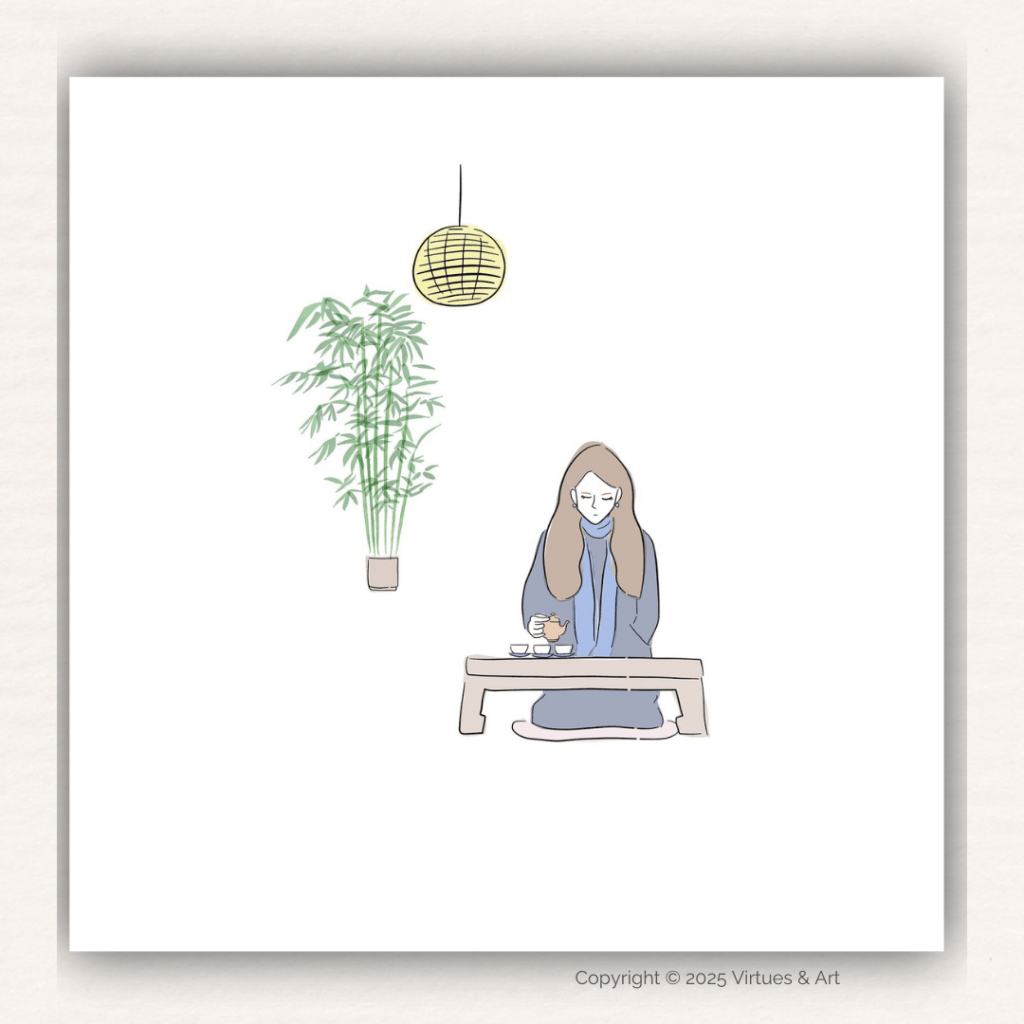
Why Self-Esteem Health is Often Neglected
Self-esteem reflects our core judgments about ourselves, influencing every aspect of our lives—from the decisions we make to the way we interact with others. Despite its importance, self-esteem health is often neglected for several reasons:
- Cultural and Social Norms: Society often places higher value on external achievements rather than internal wellness. This can lead individuals to neglect their inner well-being in favor of outward success.
- Lack of Awareness: Many people don’t realize the extent to which self-esteem impacts their daily interactions and overall happiness.
- Misconceptions: There’s a common belief that self-esteem is merely about confidence and is unchangeable, which can deter individuals from seeking ways to improve it.
The Importance of Caring for Self-Esteem
Caring for our self-esteem is not just about feeling good about ourselves—it’s about creating a resilient foundation for our mental health:
- Impact on Life Choices: Healthy self-esteem empowers us to make choices that reflect our worth and align with our values.
- Mental Health Correlations: Strong self-esteem is associated with lower risks of mental health challenges, such as depression and anxiety.
- Performance and Productivity: When we value ourselves, we are more likely to pursue opportunities and engage in life fully, enhancing both personal and professional growth.
Mechanisms to Care and Nourish Self-Esteem
Building and maintaining healthy self-esteem requires intentional practices and strategies:
- Positive Affirmations and Self-Talk: Regularly practicing positive self-talk can reinforce self-compassion and counteract the negativity that often infiltrates our thoughts.
- Goal Setting and Achievement: Setting realistic goals and recognizing our achievements can significantly boost our sense of self-worth.
- Therapy and Counseling: Engaging with mental health professionals can provide tailored strategies to improve self-esteem, especially when dealing with deep-rooted issues.
The Role of Art in Enhancing Self-Esteem
Art offers a unique pathway for enhancing self-esteem through creative expression:
- Expressive Outlet: Creating art allows individuals to express their feelings and thoughts in a supportive, tangible way, helping to clarify self-image.
- Achievement and Skill Development: Learning new artistic skills and completing projects provide a sense of accomplishment and progress.
- Mindfulness and Presence: The process of creating art can be incredibly meditative, reducing stress and promoting a focused, present state of mind.
Practical Tips: Using Art to Boost Self-Esteem
To practically incorporate art into your self-esteem health regimen, consider the following activities:
- Art Prompts for Self-Discovery: Use prompts such as “Draw how you feel today” or “Create a collage of your future dreams” to explore and express your internal state.
- Community and Sharing: Participate in art classes or online forums where you can share your work and receive supportive feedback, helping to build a sense of community.
- Visual Journals: Maintain a daily or weekly visual journal to document your feelings and experiences, which can serve as a reflective practice to monitor emotional growth.
Conclusion
Nurturing your self-esteem through art is not just about creating; it’s about understanding and connecting with your inner self. As we harness the therapeutic power of art to explore and enhance our self-esteem, we unlock a more resilient, confident, and fulfilled version of ourselves.

 Virtues & Art
Leave a comment