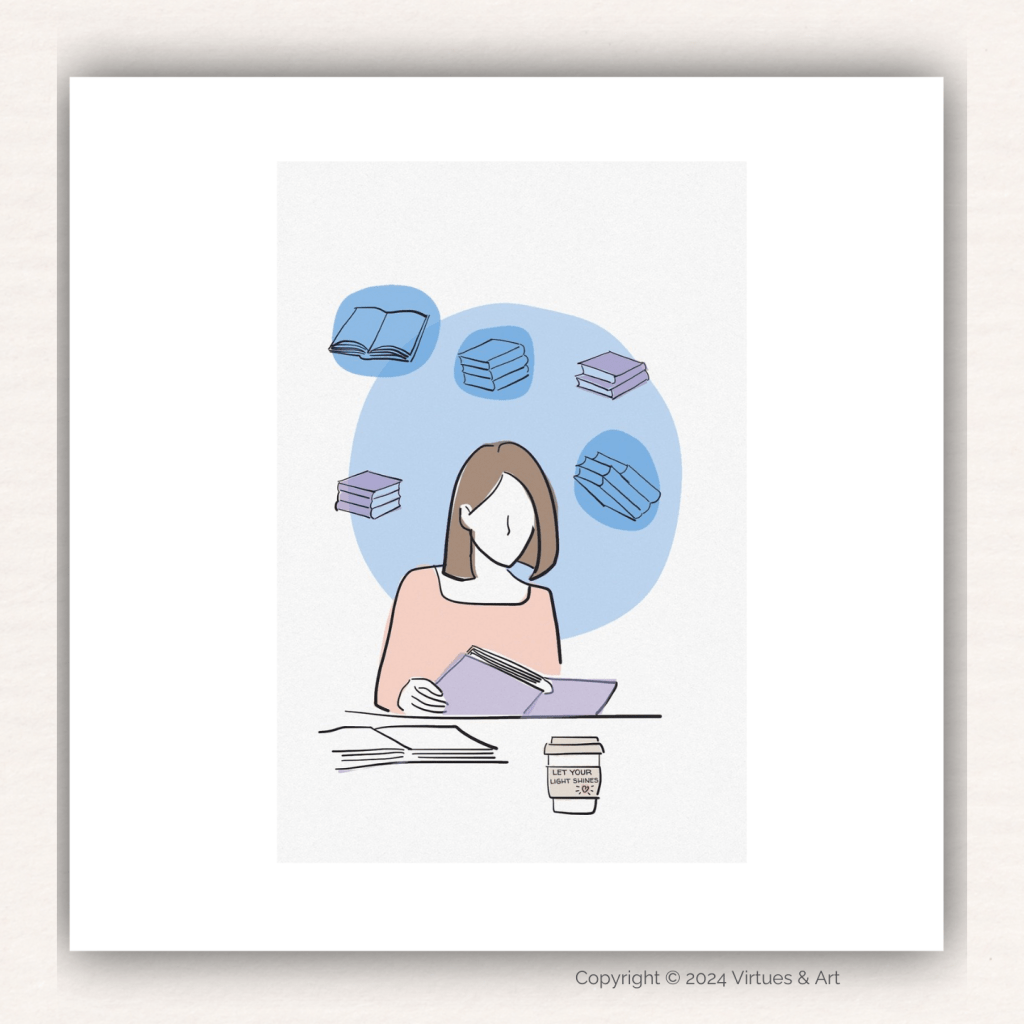
Every day, our thoughts are exposed to different influences. Some influences are healthy and constructive to our well-being and future stability, while some are unhealthy and even harmful to our well-being and future security.
Therefore, the ability to have control over our own thoughts is crucial to protect full autonomy over our very own life and future. In order to do that, we first need to learn the mechanism behind controlling our own thoughts—thought pattern interruption.
Thought Pattern Interruption Explained: Humans have automatic thought patterns which are built from past experiences. These patterns often go unchallenged and can influence our behavior and emotional responses. Thought pattern interruption is a psychological mechanism used in various contexts to help redirect or change these automatic thoughts. In healthy contexts such as coaching or therapy, this technique is used to help individuals return to healthier thought patterns. It involves identifying negative or unhelpful thoughts and consciously choosing to think differently. This can be achieved through techniques such as mindfulness, cognitive restructuring, or direct challenges to the thoughts themselves.
However, in unhealthy or covert contexts, such as coercion or manipulation, thought pattern interruption can be used unethically to influence someone against their will. This is often seen in cases where someone might be influenced to doubt their own memory or perceptions through gaslighting or other manipulative techniques.
To increase our power to influence our own thoughts, we must cultivate a vast reservoir of good thoughts which we can use as a tool for thought pattern interruption against unhealthy thought patterns that surface or are picked up.
Here are practical ways you can cultivate a goldmine of healthy thought patterns in your daily life:
Engage in Enlightening Readings
Reading is a powerful way to influence your mental landscape positively. By choosing the right materials, you can reshape your thinking and fortify your mental resilience. Consider delving into classic literature and texts that have stood the test of time, offering wisdom that can transform your approach to challenges and decision-making.
Recommended Classics:
- “Meditations” by Marcus Aurelius: A series of personal writings by the Roman Emperor, offering profound insights into Stoic philosophy.
- “The Art of War” by Sun Tzu: An ancient Chinese text on strategy and warfare that also offers valuable lessons in managing conflicts and tactical thinking in everyday life.
- “The Prince” by Niccolò Machiavelli: Though controversial, it provides sharp insights into political strategy and power dynamics which can be applied to understand workplace and social hierarchies.
- “Walden” by Henry David Thoreau: Reflects on simple living in natural surroundings, encouraging mindfulness and a deeper connection with one’s inner self.
Explore Inspirational Quotes
Websites like BrainyQuote offer a treasure trove of quotes from thinkers, leaders, and successful individuals across history. Starting your day by reading a motivational quote can set a positive tone and provide a focal point for your thoughts throughout the day.
Educate Yourself on Psychological Techniques
Understanding the mechanisms behind thought pattern interruption empowers you to apply these techniques more effectively. Reading up on cognitive-behavioral therapy, neuro-linguistic programming, and mindfulness can equip you with the knowledge to manage and redirect your thoughts consciously.
Journaling and Reflection
Journaling is a potent tool for self-reflection and can help you track your thought patterns and emotional responses. Use these prompts to guide your writing:
- Today, I felt anxious about ____. What can this emotion teach me about my needs or boundaries?
- List three things you are grateful for today and why. How do they impact your sense of stability and well-being?
- Reflect on a challenging situation from your past. With what you know now, how would you handle it differently?
- What are the predominant themes of your thoughts today? Are they empowering or hindering your growth?
- Imagine your ideal mental state. What kinds of thoughts and attitudes would define this state? How can you cultivate them?
By integrating these activities into your daily routine, you will achieve a trio-impact over your life—first, you are developing a stronger command over your own psychological processes. Second, you are accumulating ‘psychological wealth and tools’ to defend against unhealthy thought patterns. And third, you are proactively cultivating positive ones that drive you towards growth and fulfillment.
 Virtues & Art
Leave a comment