Author: Kei
-

Article 29: How Cognitive Perspectives Shape What We ‘See’ or ‘Don’t See’
Our cognitive perspectives play a significant role in shaping our perception of the world. These perspectives can determine not just what we see, but also what we ‘not see’. Understanding Cognitive Filters: Cognitive filters are mental processes that select information from the environment. These filters are shaped by our past experiences, education, cultural background, and…
-
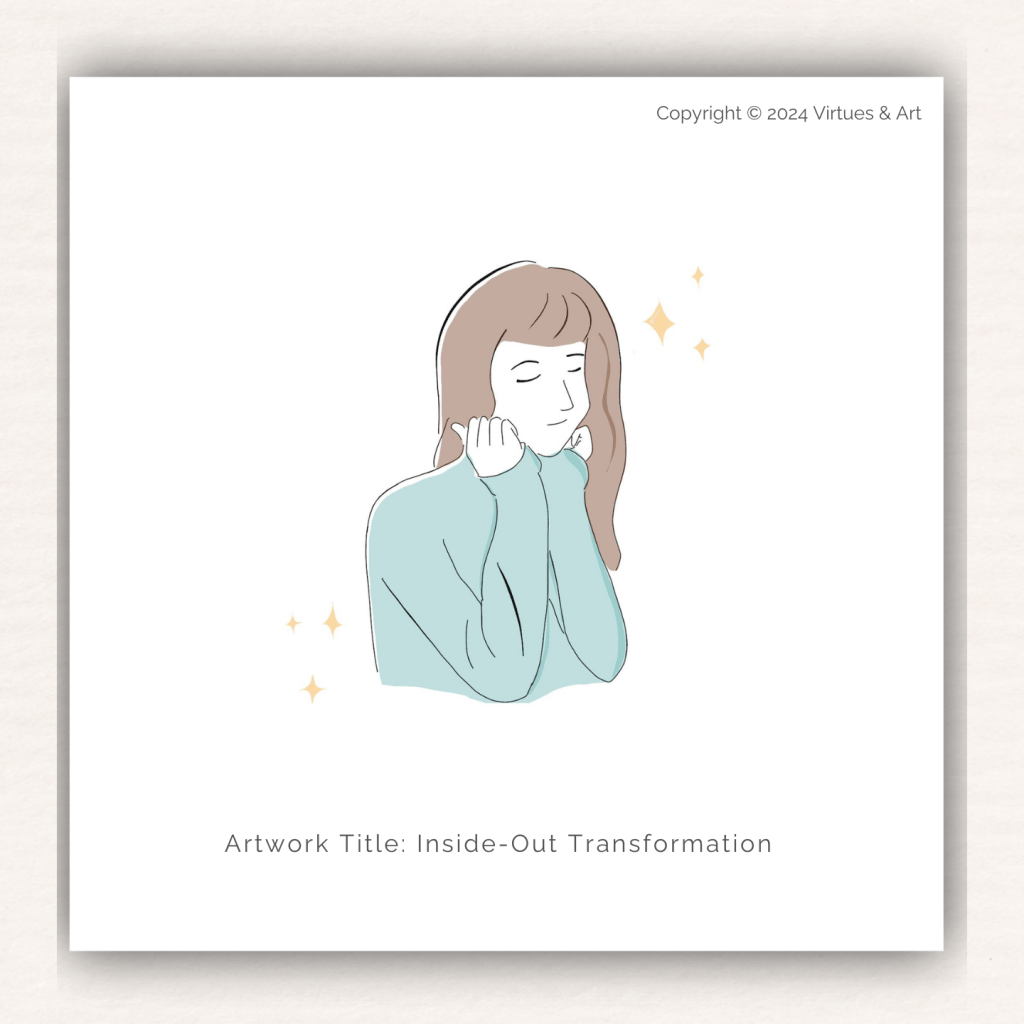
Article 28: How to Appreciate Therapeutic Art Pieces from Both Objective and Subjective Perspectives
Therapeutic art offers a unique blend of emotional resonance and intellectual engagement. Understanding how to appreciate these art pieces from both objective and subjective perspectives can enhance the therapeutic experience, providing deeper insights and greater personal growth. Objective Appreciation: Subjective Appreciation: Balancing Both Perspectives: Appreciating therapeutic art from both objective and subjective perspectives enriches the…
-
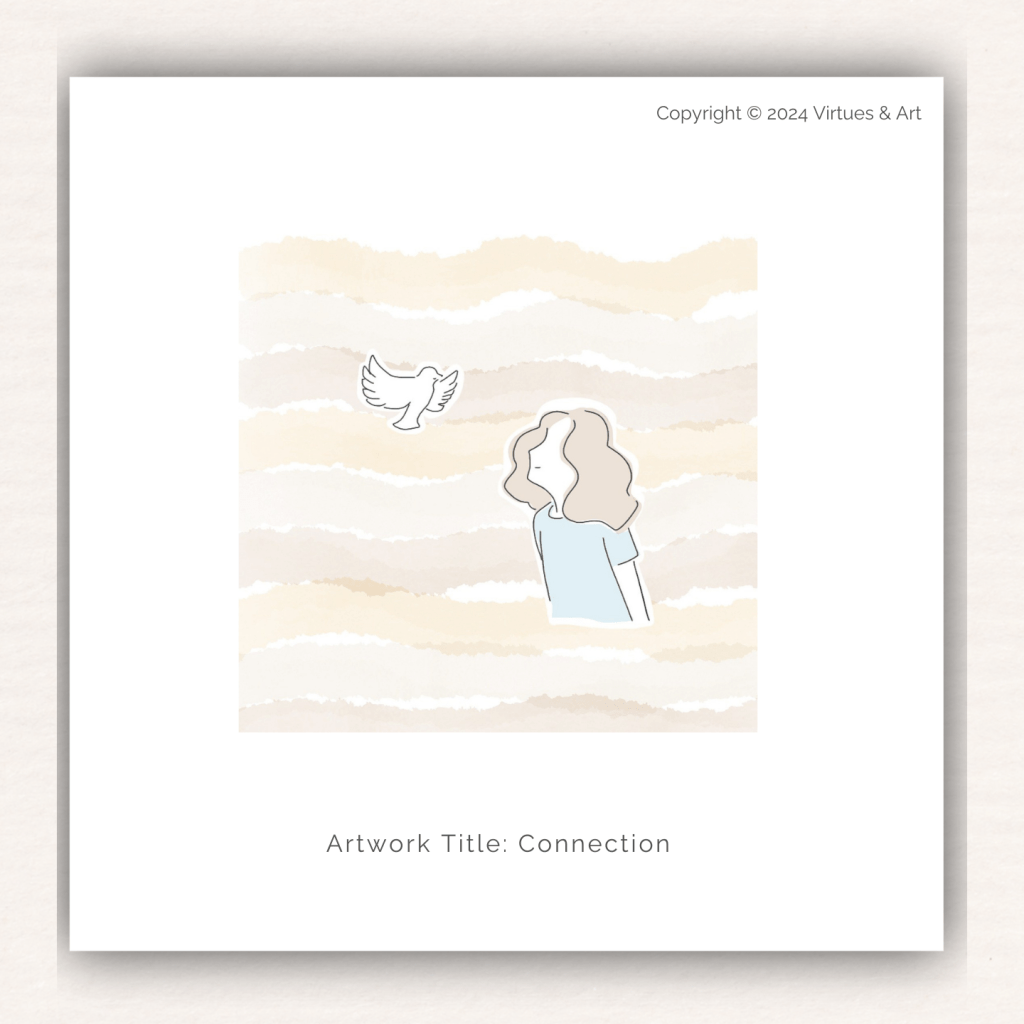
Article 27: How Therapeutic Art Can Help Us Shape Cognitive Perspectives
Therapeutic art plays a vital role in shaping our cognitive perspectives by allowing us to externalize complex emotions and thoughts through creative expression. This process can significantly alter how we perceive and interact with the world. Cognitive Restructuring Through Art: Therapeutic art encourages cognitive restructuring by providing a physical form to abstract ideas. When emotions…
-
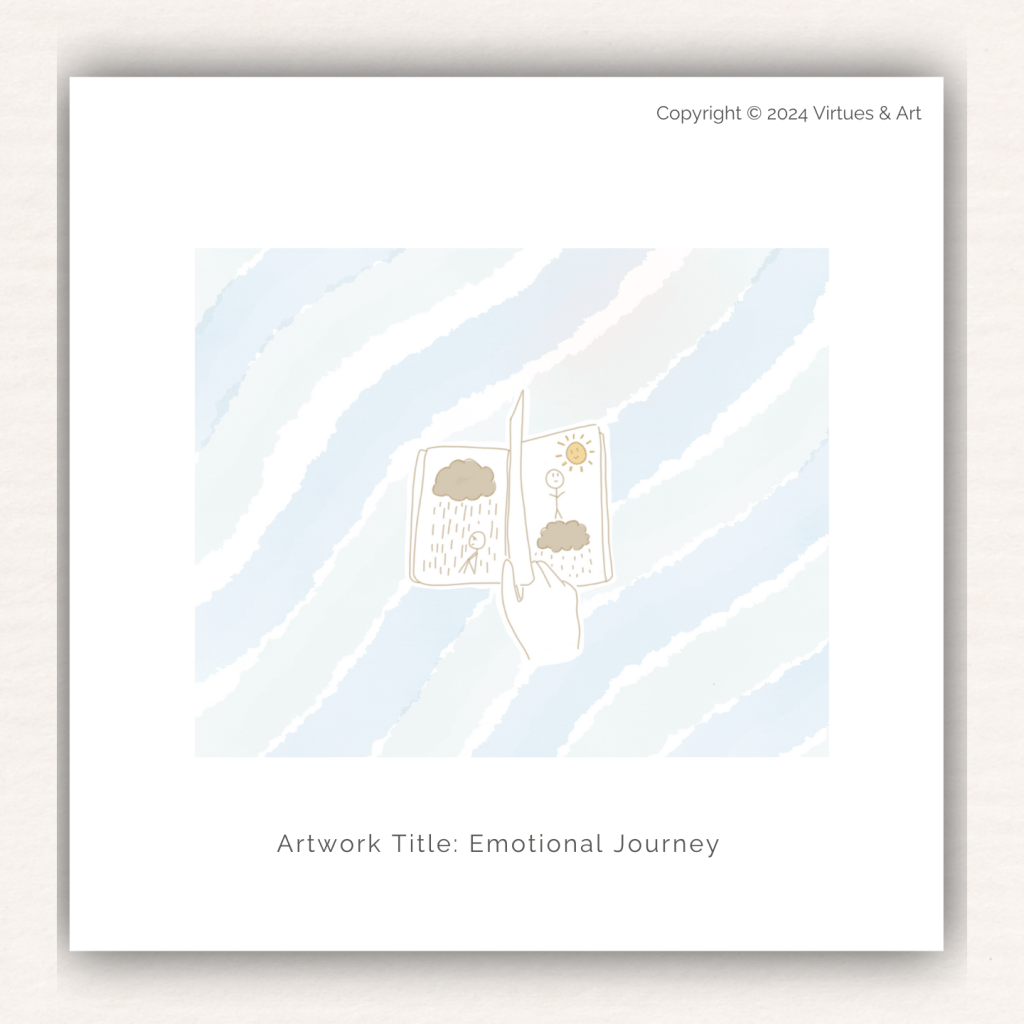
Article 26: Simple Guide to Creating Your First Therapeutic Art Piece
Creating your first piece of therapeutic art can be a transformative experience, allowing you to externalize and explore your emotions. Here’s a simple guide using basic principles of art therapy to help you begin this journey. Materials Needed: Step 1: Set Your Intention Before you begin, set a clear intention for your art session. Decide…
-
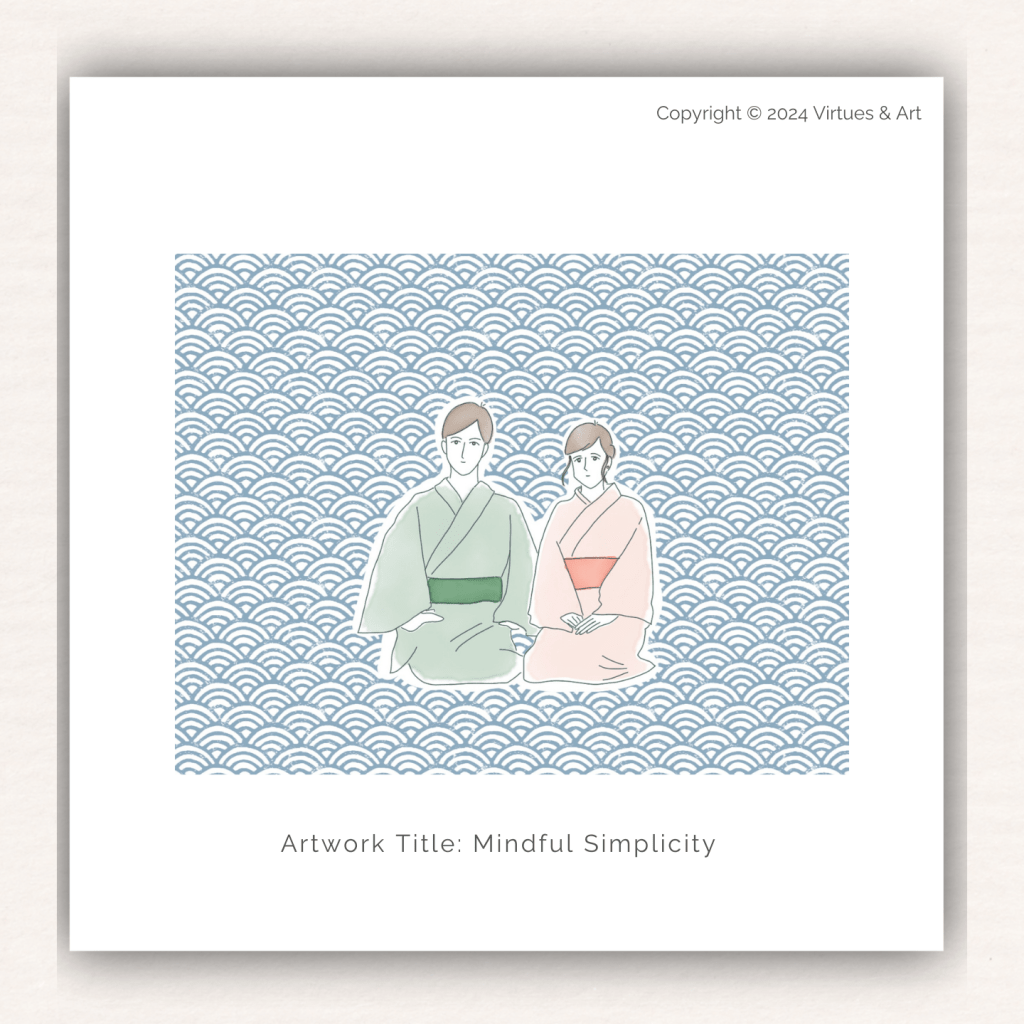
Article 25: Lessons From Ancient Japan—How Art Can Support Our Well-Being and Self-Care
In ancient Japan, art was deeply intertwined with spirituality, nature, and mindfulness. From the delicate strokes of calligraphy to the serenity of Zen gardens, Japanese art was a reflection of the mind and soul. This article explores how art was used in ancient Japan and what we can learn from it to enhance our self-care…
-
Article 24: How Art Was Used in Ancient Rome and How We Can Incorporate It Into Our Lives
In ancient Rome, art was more than just a form of expression—it was a powerful tool for shaping culture, identity, and personal growth. Romans used art to communicate values, depict history, and enhance their daily lives. This article explores how art was used in ancient Rome and how we can adopt similar practices today to…
-
Article 23: How Art Regulates Your Nervous System and Promotes Calmness
In moments of stress, our bodies often react physically—racing heart, tense muscles, shallow breathing. Therapeutic art offers a gentle way to regulate your nervous system and promote calmness, helping your body shift from stress to relaxation. How Art Calms the Nervous System:Activating the Parasympathetic Nervous SystemEngaging with art, especially calming visuals, activates the parasympathetic nervous…
-
Article 22:How Therapeutic Art Supports Personal Wellness
Therapeutic art is a powerful tool for personal wellness, offering a creative way to process emotions, reduce stress, and enhance mental clarity. By engaging with art regularly, you create space for healing and self-reflection, supporting both your emotional and mental well-being. How Therapeutic Art Nurtures Wellness: Emotional Release and ProcessingWhen life feels overwhelming, therapeutic art…
-
Article 21: How Colors in Art Affect Your Mood and Emotions
Colors have a profound impact on how we feel. In therapeutic art, choosing the right colors can help shape your emotional landscape, fostering calmness, energy, or creativity depending on your needs. Understanding the psychological effects of color can transform how you use therapeutic art for emotional balance. How Colors Shape Your Emotional ExperienceBlue for Calm…
-
Article 20: How Environmental Design Enhances Personal Well-Being
The spaces we live in have a profound impact on how we feel and think. Environmental design—especially when infused with therapeutic art—can create a sanctuary that promotes inner calm, creativity, and well-being. Designing your personal space with intention can foster mental clarity, emotional balance, and overall happiness. How Environmental Design Affects Your Inner WorldReducing Stress…
 Virtues & Art