Category: Health-Science Based Well-Being & Self-Care Insights
-
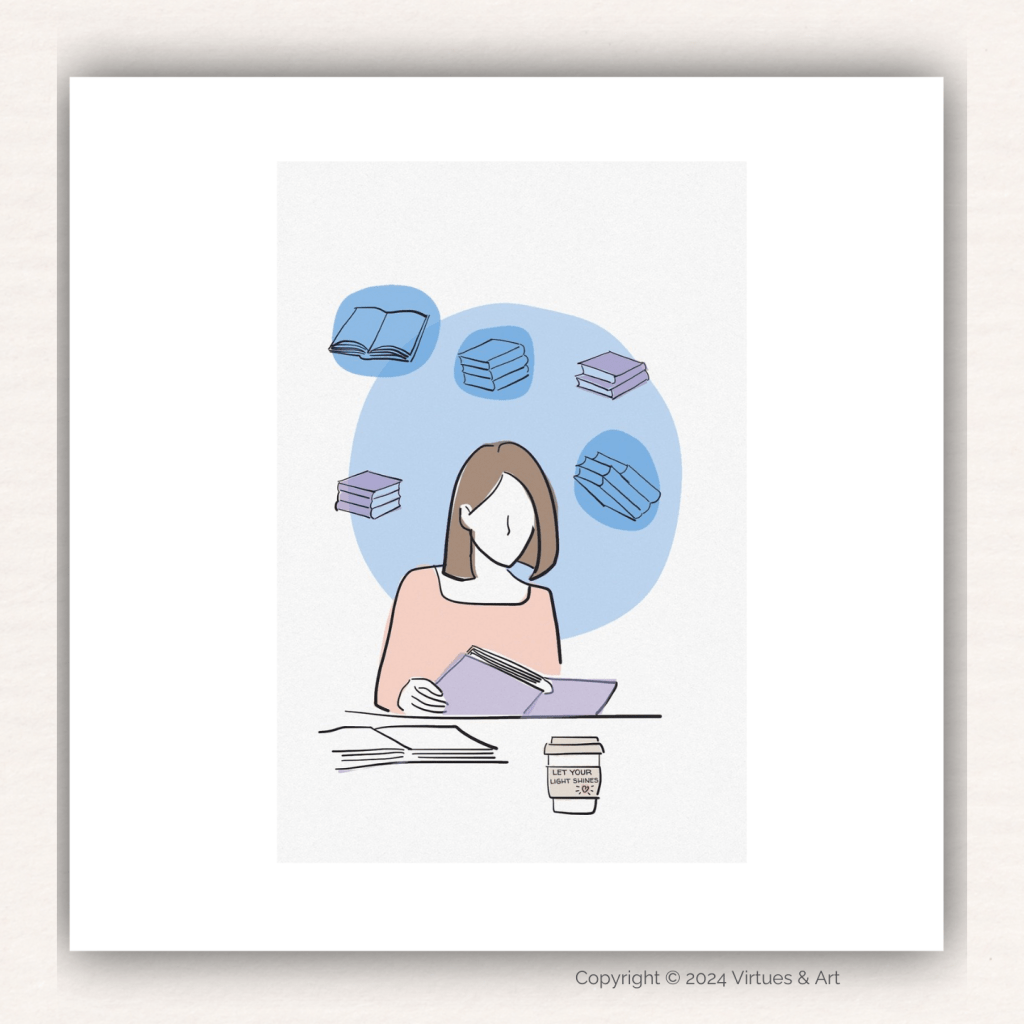
Article 33: Symbolism and How We Use It to Build Our Conceptual World
Symbols are the building blocks of our conceptual world. They allow us to encapsulate complex ideas, emotions, and experiences into a form that can be shared, remembered, and understood. This article explores how symbols shape our thinking, create our conceptual frameworks, and influence the way we interpret reality. By understanding the role of symbolism in…
-
Article 32: Therapeutic Art, Symbolism, and Emotional Regulation
Therapeutic art provides a safe and effective way to explore and manage emotions, especially through the use of symbolism. Symbols enable individuals to express feelings that may be hard to articulate, facilitating emotional regulation and self-understanding. This article delves into how therapeutic art and symbolism work together to support emotional well-being, exploring how art can…
-
Article 31: Self-Schema Theory and Its Role in Self-Understanding
Self-schema theory is a psychological concept that helps explain how we see ourselves and interpret our experiences. Our self-schema is essentially the mental framework we use to organize information about ourselves, shaping our perceptions, behaviors, and interactions. By understanding self-schema theory, we gain insight into the way our identities influence our daily lives and the…
-
Article 30: Objectivity vs. Subjectivity—Why It Matters and How It Shapes Our Understanding
Understanding the distinction between objectivity and subjectivity is crucial in navigating our perceptions and interactions. Objectivity refers to perceiving and accepting things as they truly are, without personal feelings and biases, while subjectivity involves how personal feelings, tastes, and opinions affect one’s perception. The Importance of Objectivity: Objectivity allows for a clearer, more factual understanding…
-

Article 29: How Cognitive Perspectives Shape What We ‘See’ or ‘Don’t See’
Our cognitive perspectives play a significant role in shaping our perception of the world. These perspectives can determine not just what we see, but also what we ‘not see’. Understanding Cognitive Filters: Cognitive filters are mental processes that select information from the environment. These filters are shaped by our past experiences, education, cultural background, and…
-
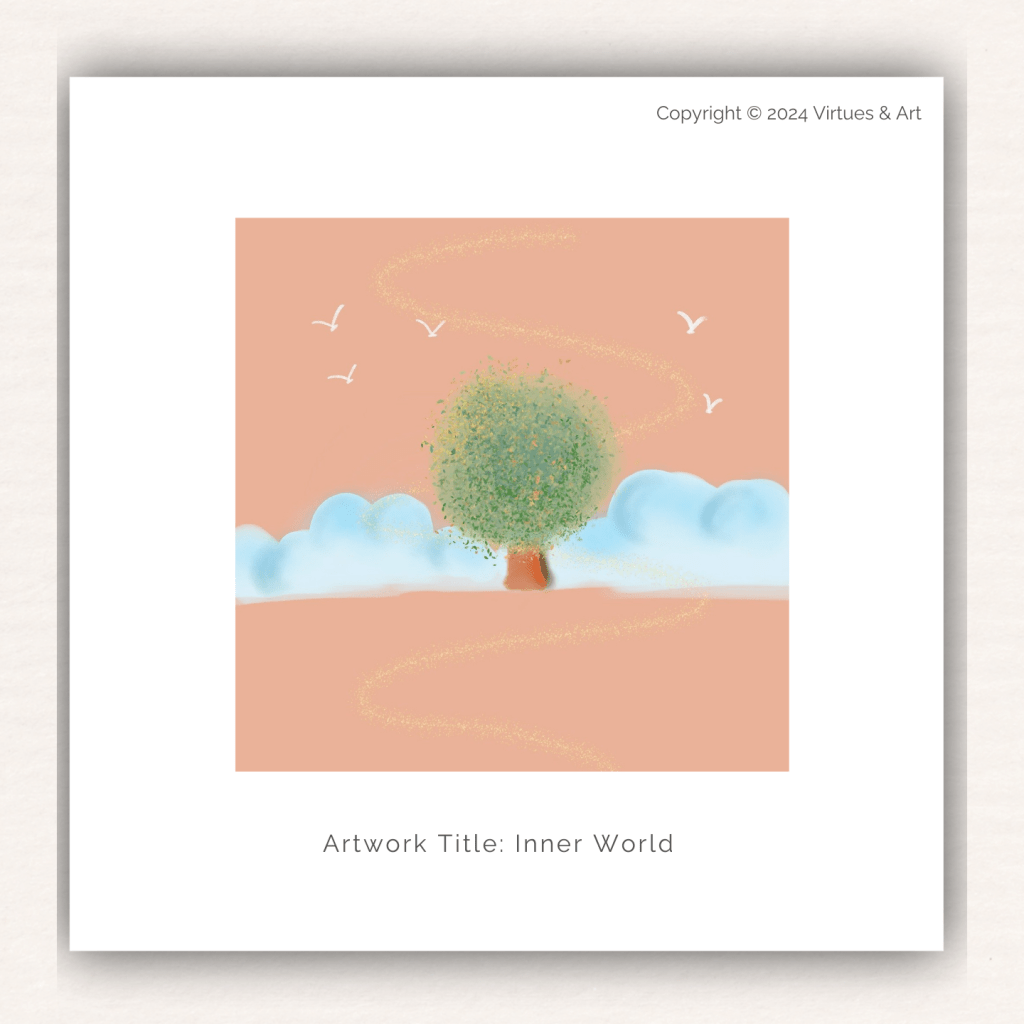
Article 23: How Art Regulates Your Nervous System and Promotes Calmness
In moments of stress, our bodies often react physically—racing heart, tense muscles, shallow breathing. Therapeutic art offers a gentle way to regulate your nervous system and promote calmness, helping your body shift from stress to relaxation. How Art Calms the Nervous System:Activating the Parasympathetic Nervous SystemEngaging with art, especially calming visuals, activates the parasympathetic nervous…
-
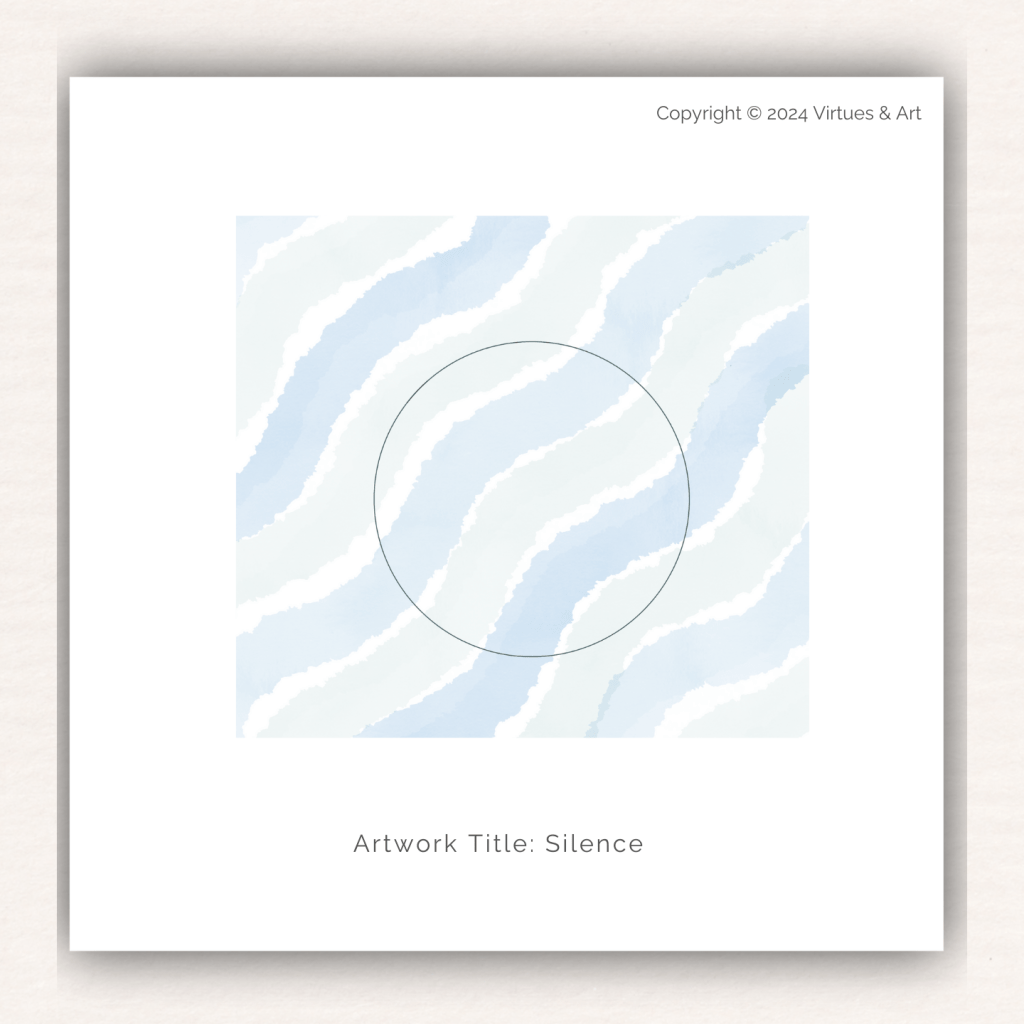
Article 18: The Healing Power of Silence in Meditation and Art
Silence is a powerful but often overlooked tool for healing and reflection. Both in meditation and art, silence creates a space for deeper connection to ourselves and our inner world, allowing us to access insights and healing that are otherwise difficult to reach. How Silence Enhances Healing in Meditation and Art Silence holds incredible healing…
-
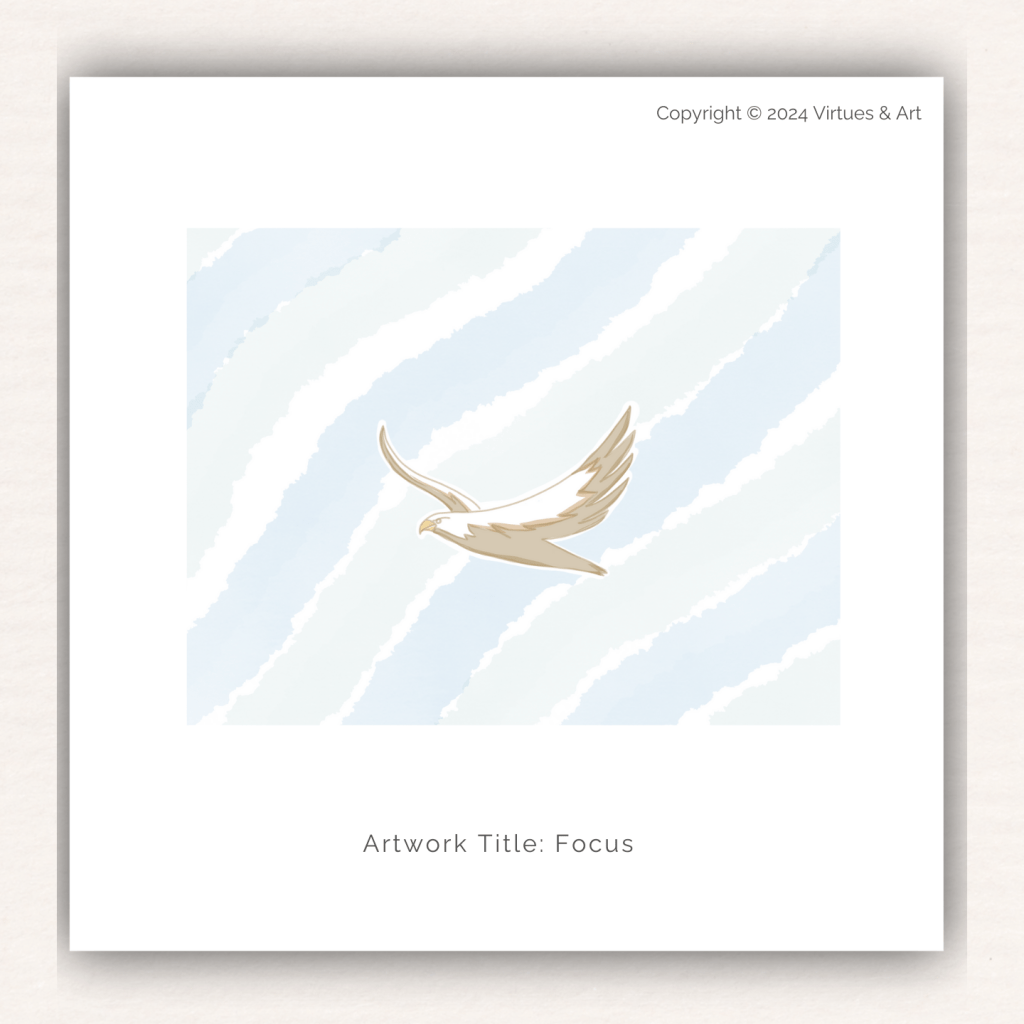
Article 17: How to Use Art as a Tool for Mindful Focus
Mindfulness is the practice of being present in the moment, fully engaged with whatever we are doing. Art, when used mindfully, becomes a powerful tool for focus and mental clarity, helping us develop greater awareness and calmness in our daily lives. Using Art to Enhance Mindful Focus Art can be a powerful tool for cultivating…
-
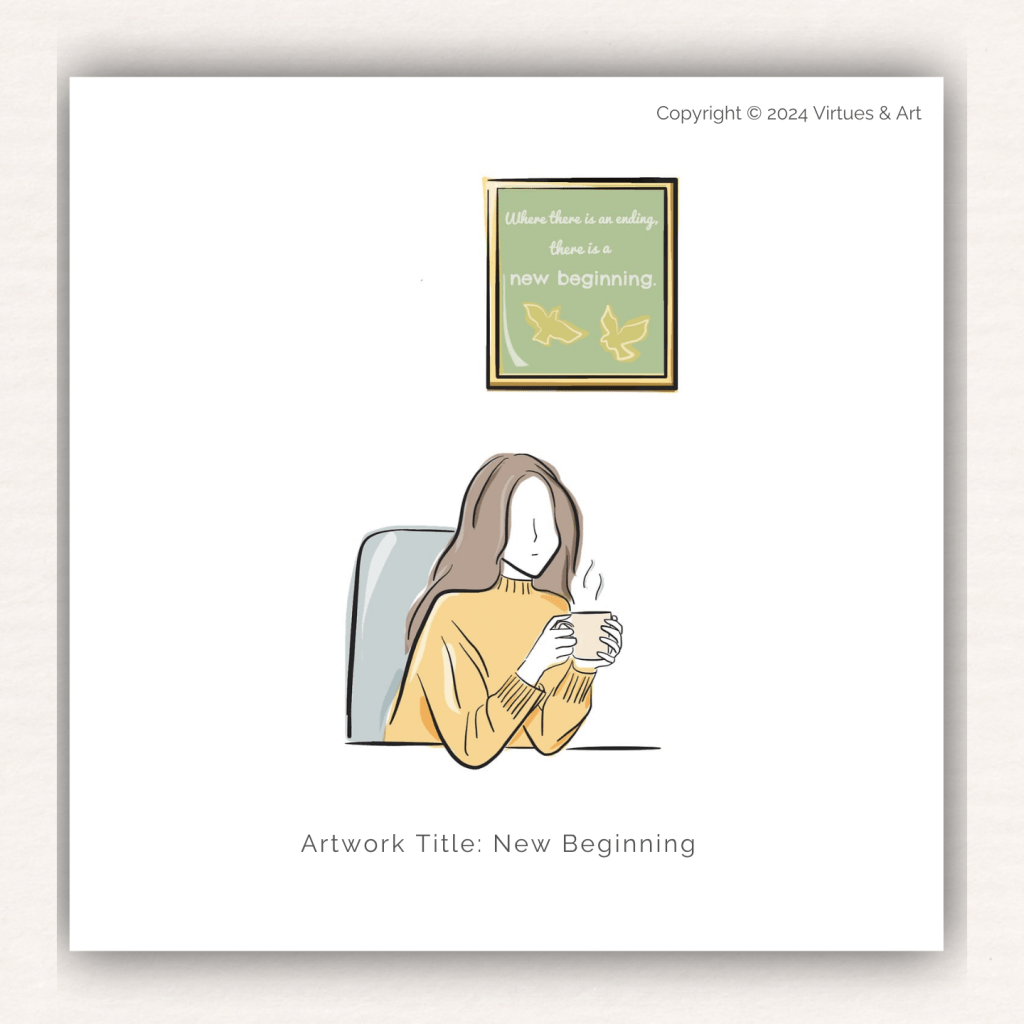
Article 16: The Role of Imagination in Emotional Healing
Imagination is often associated with creativity and play, but it also holds incredible power in emotional healing. When combined with art and meditation, imagination helps us explore new perspectives, rewrite narratives, and engage in transformative healing. How Imagination Supports Emotional Healing Conclusion Imagination is a powerful tool for emotional healing. By engaging with art and…
-

Article 15: The Power of Visual Journaling for Self-Reflection
Visual journaling combines art and reflection, offering a powerful way to explore your emotions, thoughts, and experiences without relying solely on words. It opens the door to self-discovery through creativity, allowing you to process feelings and gain insights that words alone may struggle to express. How Visual Journaling Promotes Self-Reflection Visual journaling is a powerful…
 Virtues & Art