Tag: art
-
#49. Why Use Our Hands to Create Therapeutic Art When AI Can Do It Instantly?
Because healing doesn’t come from the result.It comes from the process. 1. Using your hands makes the experience yours When you shape clay, draw a line, or choose a color with your own hands, you’re not just producing something—you’re engaging your nervous system, your breath, your thoughts, and your feelings. This act transforms you.AI can…
-
#48. How does Therapeutic Art Invite Us to Examine Our Lives?
Therapeutic art invites us to examine our lives by turning creativity into a mirror, a sanctuary, and a map. The artistic process isn’t merely expressive—it’s introspective and transformative, naturally leading us inward to examine our thoughts, feelings, experiences, and patterns. Here’s precisely how the creative process gently encourages deep self-examination: 1. It Slows Us Down…
-
#47. How Therapeutic Art Restores Self-Worth
1. It Validates the Inner World Many people with low self-worth have been invalidated—told their feelings, thoughts, or desires don’t matter. When they create art, even if just a single stroke, that stroke says: “I exist. I’m allowed to take up space.” The canvas or page becomes a non-judgmental witness—offering validation through visibility. 2. It…
-
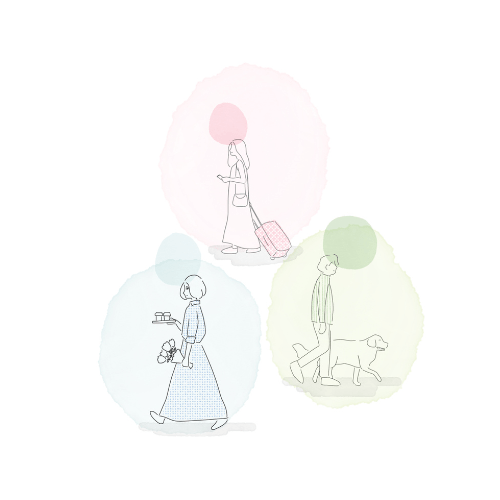
#46. Each soul, a universe. Each life, a unique path.
When I was in my teenage years and into my 20s, I remember constantly comparing myself to others.“How cool would it be if I could be as confident as her?”“Wow, she has such an attractive personality—how nice it would be if I could be like her.”“How amazing it would be to work as an air…
-
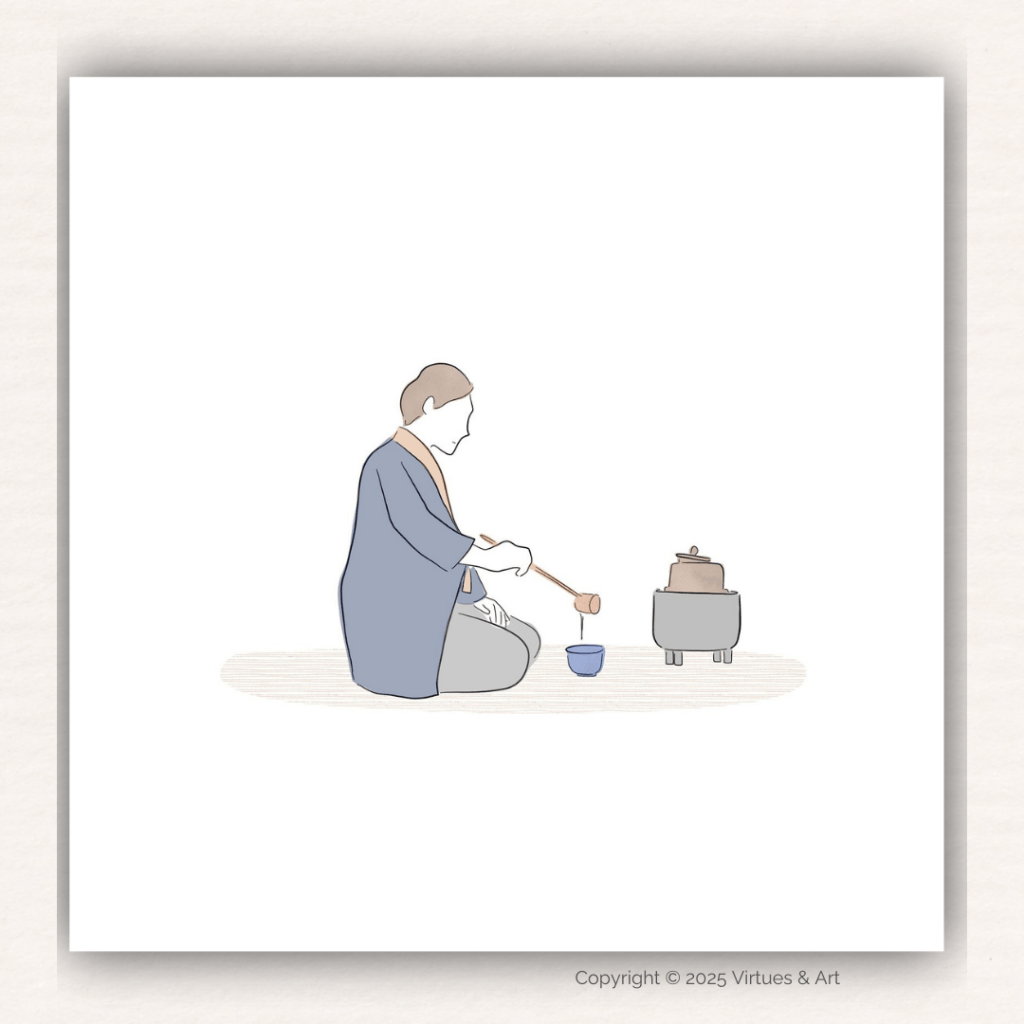
Article 41: Navigating Anxiety About the Future with Therapeutic Art
In the face of uncertainty about what’s to come, many of us find ourselves tangled in anxiety. However, the practice of therapeutic art offers powerful tools to not only manage this anxiety but transform it into a roadmap for emotional resilience and personal growth. Here, we explore three art-based practices that can help anchor your…
-
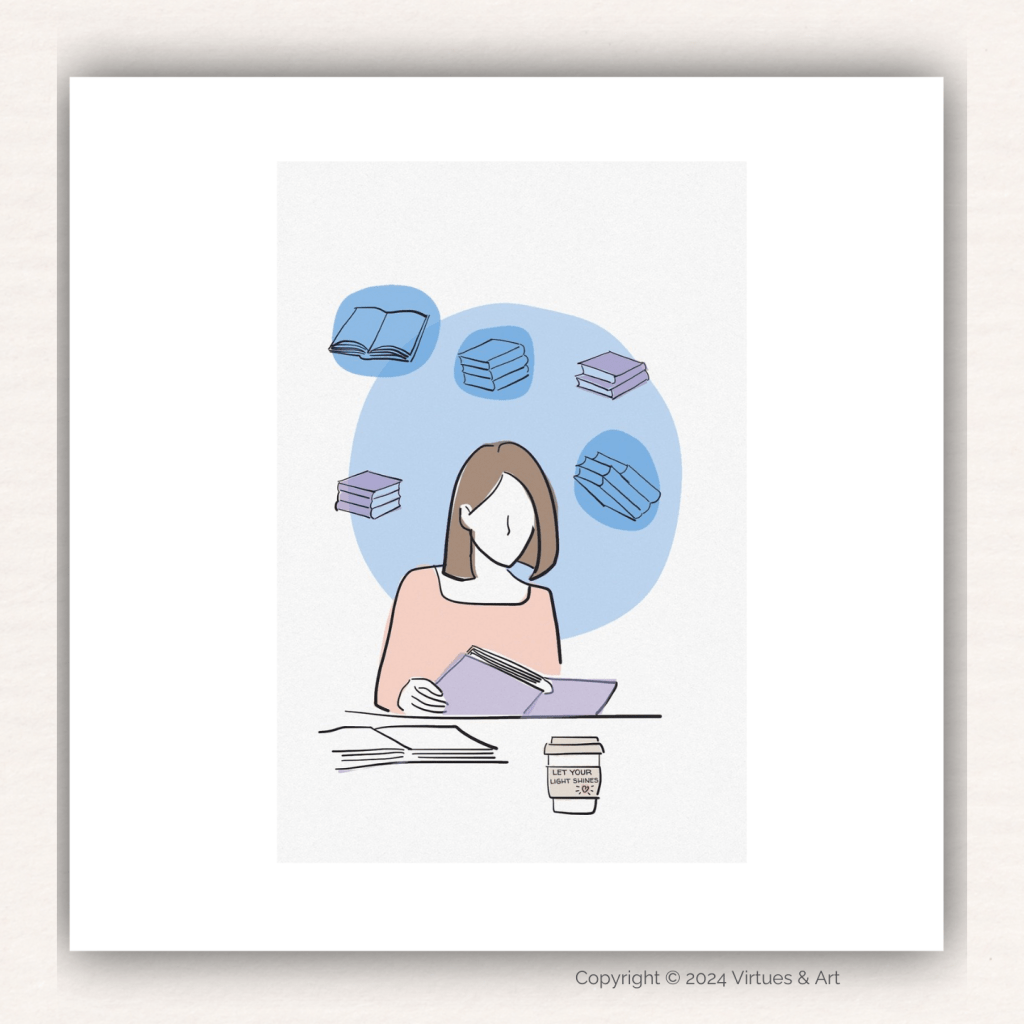
Article 33: Symbolism and How We Use It to Build Our Conceptual World
Symbols are the building blocks of our conceptual world. They allow us to encapsulate complex ideas, emotions, and experiences into a form that can be shared, remembered, and understood. This article explores how symbols shape our thinking, create our conceptual frameworks, and influence the way we interpret reality. By understanding the role of symbolism in…
-
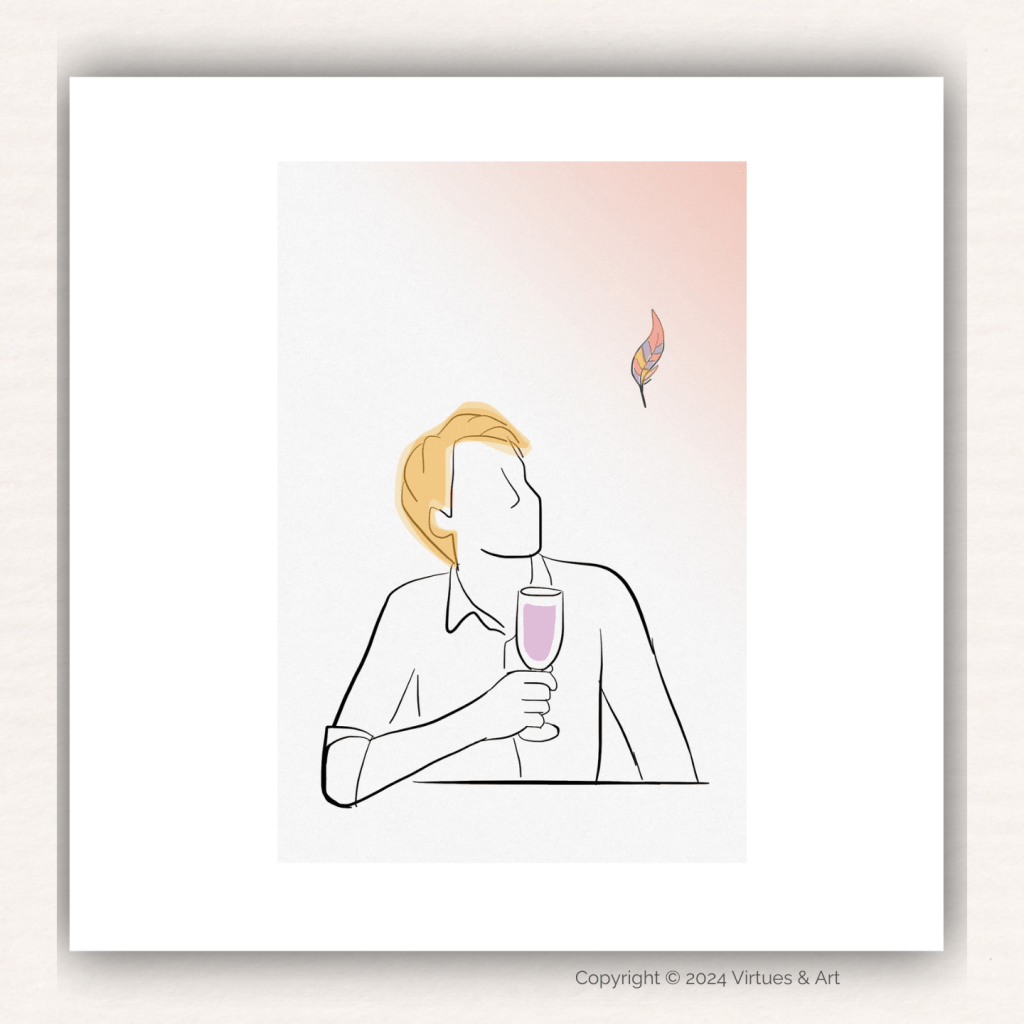
Article 32: Therapeutic Art, Symbolism, and Emotional Regulation
Therapeutic art provides a safe and effective way to explore and manage emotions, especially through the use of symbolism. Symbols enable individuals to express feelings that may be hard to articulate, facilitating emotional regulation and self-understanding. This article delves into how therapeutic art and symbolism work together to support emotional well-being, exploring how art can…
-
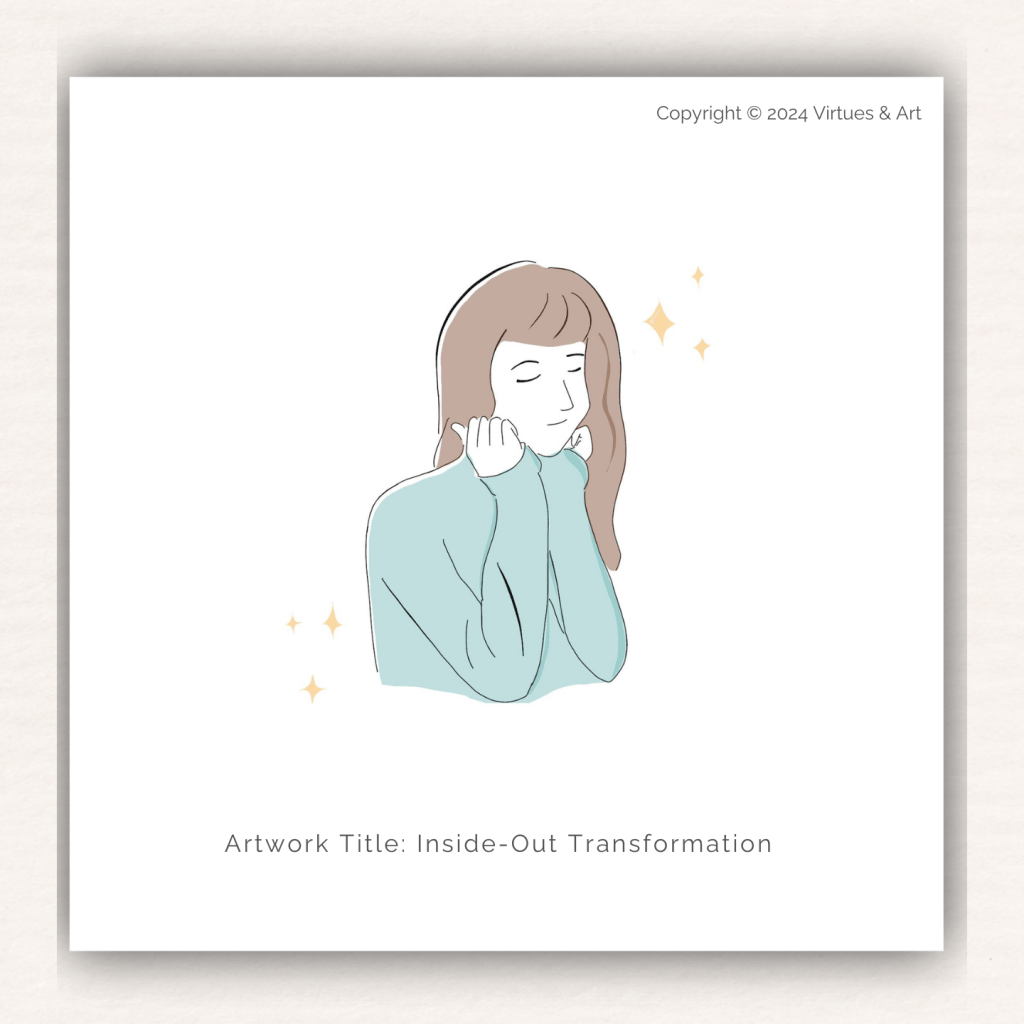
Article 28: How to Appreciate Therapeutic Art Pieces from Both Objective and Subjective Perspectives
Therapeutic art offers a unique blend of emotional resonance and intellectual engagement. Understanding how to appreciate these art pieces from both objective and subjective perspectives can enhance the therapeutic experience, providing deeper insights and greater personal growth. Objective Appreciation: Subjective Appreciation: Balancing Both Perspectives: Appreciating therapeutic art from both objective and subjective perspectives enriches the…
-
Article 27: How Therapeutic Art Can Help Us Shape Cognitive Perspectives
Therapeutic art plays a vital role in shaping our cognitive perspectives by allowing us to externalize complex emotions and thoughts through creative expression. This process can significantly alter how we perceive and interact with the world. Cognitive Restructuring Through Art: Therapeutic art encourages cognitive restructuring by providing a physical form to abstract ideas. When emotions…
-
Article 26: Simple Guide to Creating Your First Therapeutic Art Piece
Creating your first piece of therapeutic art can be a transformative experience, allowing you to externalize and explore your emotions. Here’s a simple guide using basic principles of art therapy to help you begin this journey. Materials Needed: Step 1: Set Your Intention Before you begin, set a clear intention for your art session. Decide…
 Virtues & Art