Tag: mindfulness
-
#49. Why Use Our Hands to Create Therapeutic Art When AI Can Do It Instantly?
Because healing doesn’t come from the result.It comes from the process. 1. Using your hands makes the experience yours When you shape clay, draw a line, or choose a color with your own hands, you’re not just producing something—you’re engaging your nervous system, your breath, your thoughts, and your feelings. This act transforms you.AI can…
-
#48. How does Therapeutic Art Invite Us to Examine Our Lives?
Therapeutic art invites us to examine our lives by turning creativity into a mirror, a sanctuary, and a map. The artistic process isn’t merely expressive—it’s introspective and transformative, naturally leading us inward to examine our thoughts, feelings, experiences, and patterns. Here’s precisely how the creative process gently encourages deep self-examination: 1. It Slows Us Down…
-
#47. How Therapeutic Art Restores Self-Worth
1. It Validates the Inner World Many people with low self-worth have been invalidated—told their feelings, thoughts, or desires don’t matter. When they create art, even if just a single stroke, that stroke says: “I exist. I’m allowed to take up space.” The canvas or page becomes a non-judgmental witness—offering validation through visibility. 2. It…
-
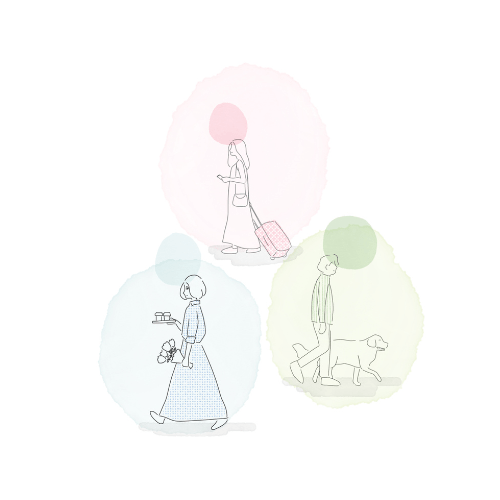
#46. Each soul, a universe. Each life, a unique path.
When I was in my teenage years and into my 20s, I remember constantly comparing myself to others.“How cool would it be if I could be as confident as her?”“Wow, she has such an attractive personality—how nice it would be if I could be like her.”“How amazing it would be to work as an air…
-
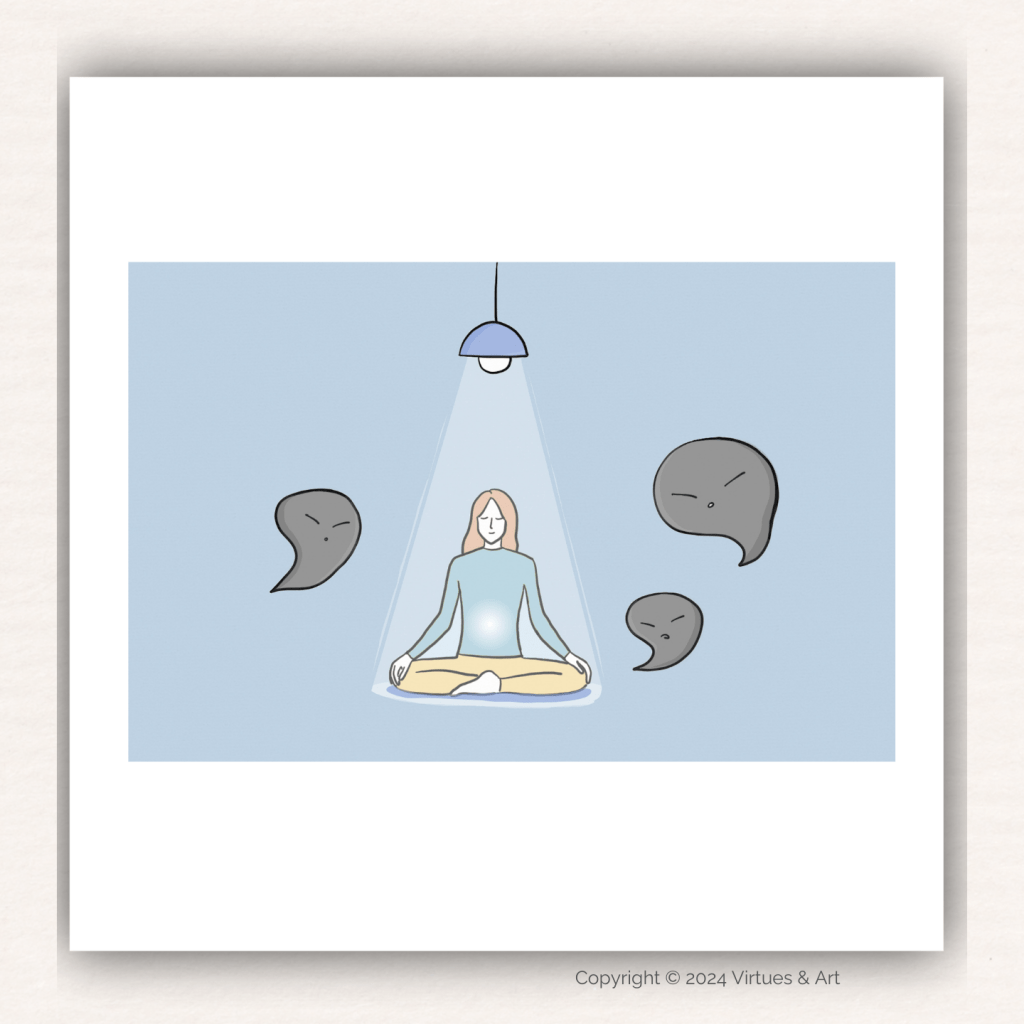
Article 43: Identifying Covert Manipulation Through Thought Pattern Scanning and Observation
In our mental landscape, our thoughts can often seem like a deck of cards—each one representing a different pattern or belief. To maintain our psychological integrity and autonomy, it’s crucial to periodically scan and evaluate these thought patterns. By doing so, we can determine which thoughts align with our genuine desires and which may be…
-
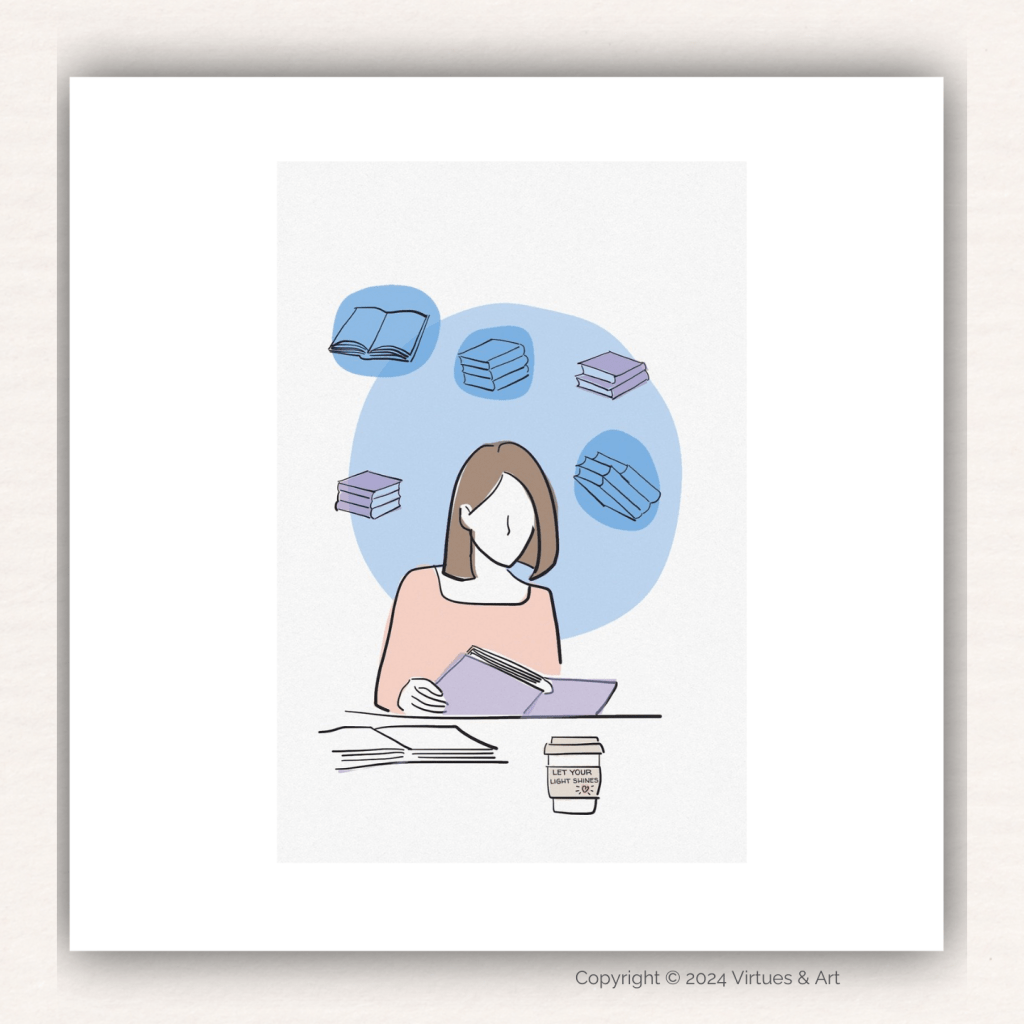
Article 42: How Do We Increase Influence Over Our Own Thoughts?
Every day, our thoughts are exposed to different influences. Some influences are healthy and constructive to our well-being and future stability, while some are unhealthy and even harmful to our well-being and future security. Therefore, the ability to have control over our own thoughts is crucial to protect full autonomy over our very own life…
-
Article 41: Navigating Anxiety About the Future with Therapeutic Art
In the face of uncertainty about what’s to come, many of us find ourselves tangled in anxiety. However, the practice of therapeutic art offers powerful tools to not only manage this anxiety but transform it into a roadmap for emotional resilience and personal growth. Here, we explore three art-based practices that can help anchor your…
-

Article 36: Invisible Challenges – Cognitive and Emotional Struggles Modern Life Brings, and How to Overcome Them
In today’s world, the pace of life, relentless information streams, and digital connections create cognitive and emotional challenges that subtly shape our well-being. Many of these challenges—like cognitive overload and emotional contagion—go unnoticed but impact our productivity, happiness, and mental clarity. Here, we’ll dive into these invisible struggles and explore science-backed strategies to help navigate…
-
Article 35: How Therapeutic Art Supports Emotional and Cognitive Regulation for Well-Being
Therapeutic art offers a powerful approach to well-being by helping us manage our emotions and thoughts in a balanced, constructive way. While many of us are familiar with emotional regulation—the process of bringing our emotions back to a calm and healthy state—fewer realize that cognitive regulation is just as essential. With constant streams of information…
-
Article 27: How Therapeutic Art Can Help Us Shape Cognitive Perspectives
Therapeutic art plays a vital role in shaping our cognitive perspectives by allowing us to externalize complex emotions and thoughts through creative expression. This process can significantly alter how we perceive and interact with the world. Cognitive Restructuring Through Art: Therapeutic art encourages cognitive restructuring by providing a physical form to abstract ideas. When emotions…
 Virtues & Art