Tag: mindfulness
-
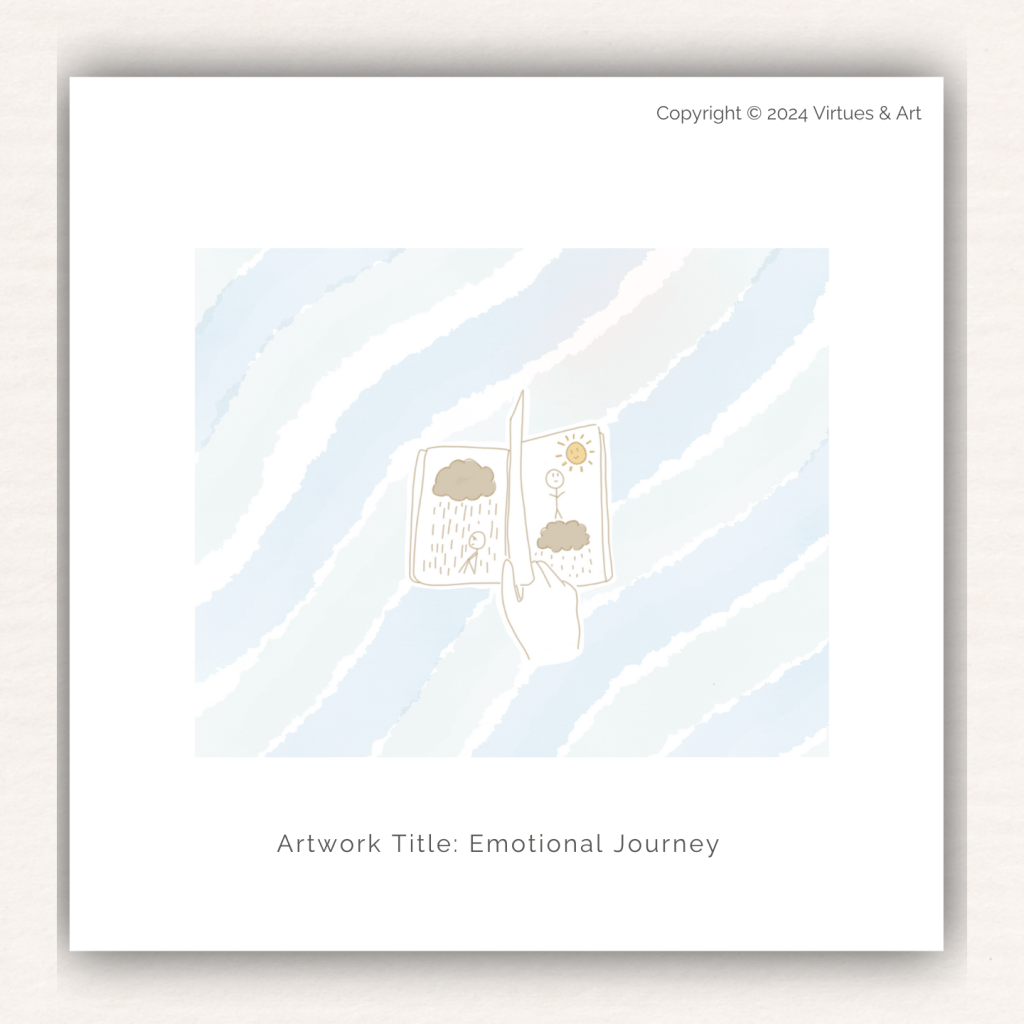
Article 26: Simple Guide to Creating Your First Therapeutic Art Piece
Creating your first piece of therapeutic art can be a transformative experience, allowing you to externalize and explore your emotions. Here’s a simple guide using basic principles of art therapy to help you begin this journey. Materials Needed: Step 1: Set Your Intention Before you begin, set a clear intention for your art session. Decide…
-
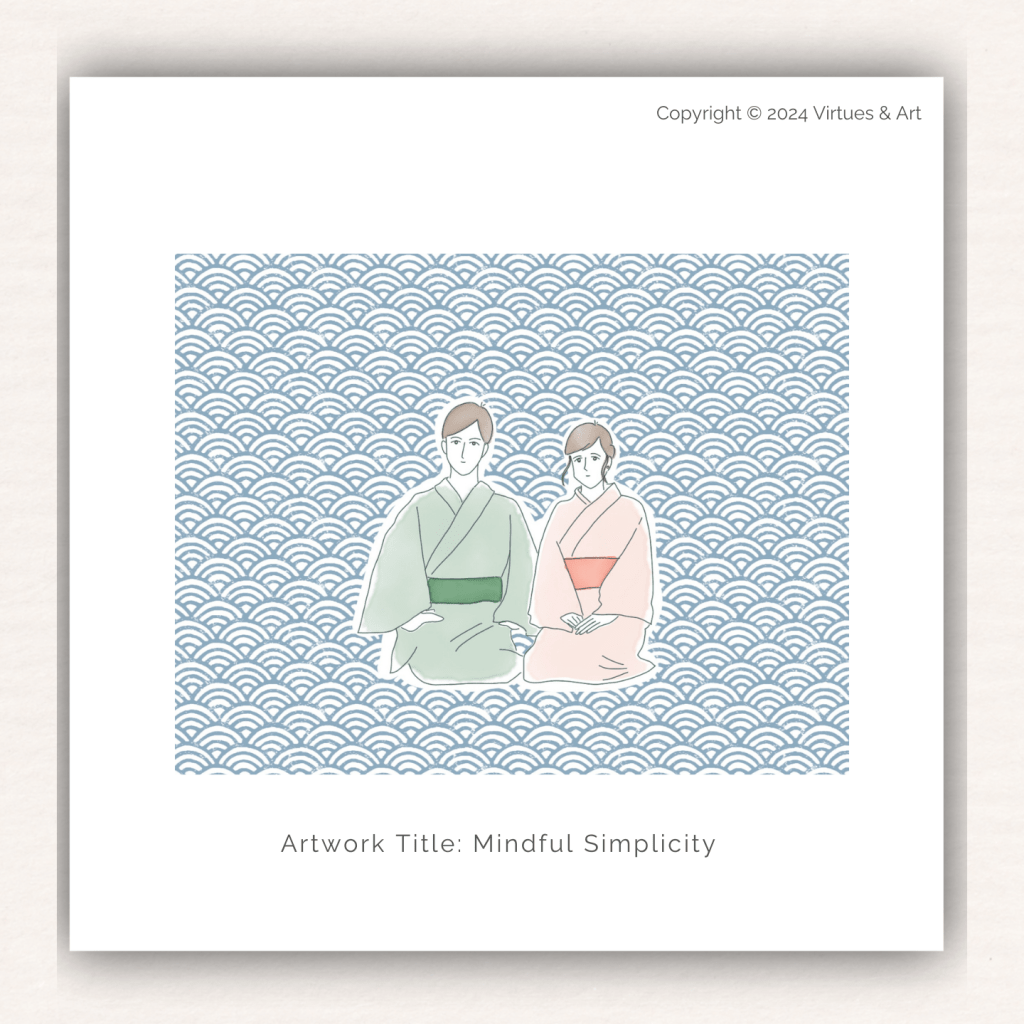
Article 25: Lessons From Ancient Japan—How Art Can Support Our Well-Being and Self-Care
In ancient Japan, art was deeply intertwined with spirituality, nature, and mindfulness. From the delicate strokes of calligraphy to the serenity of Zen gardens, Japanese art was a reflection of the mind and soul. This article explores how art was used in ancient Japan and what we can learn from it to enhance our self-care…
-
Article 23: How Art Regulates Your Nervous System and Promotes Calmness
In moments of stress, our bodies often react physically—racing heart, tense muscles, shallow breathing. Therapeutic art offers a gentle way to regulate your nervous system and promote calmness, helping your body shift from stress to relaxation. How Art Calms the Nervous System:Activating the Parasympathetic Nervous SystemEngaging with art, especially calming visuals, activates the parasympathetic nervous…
-
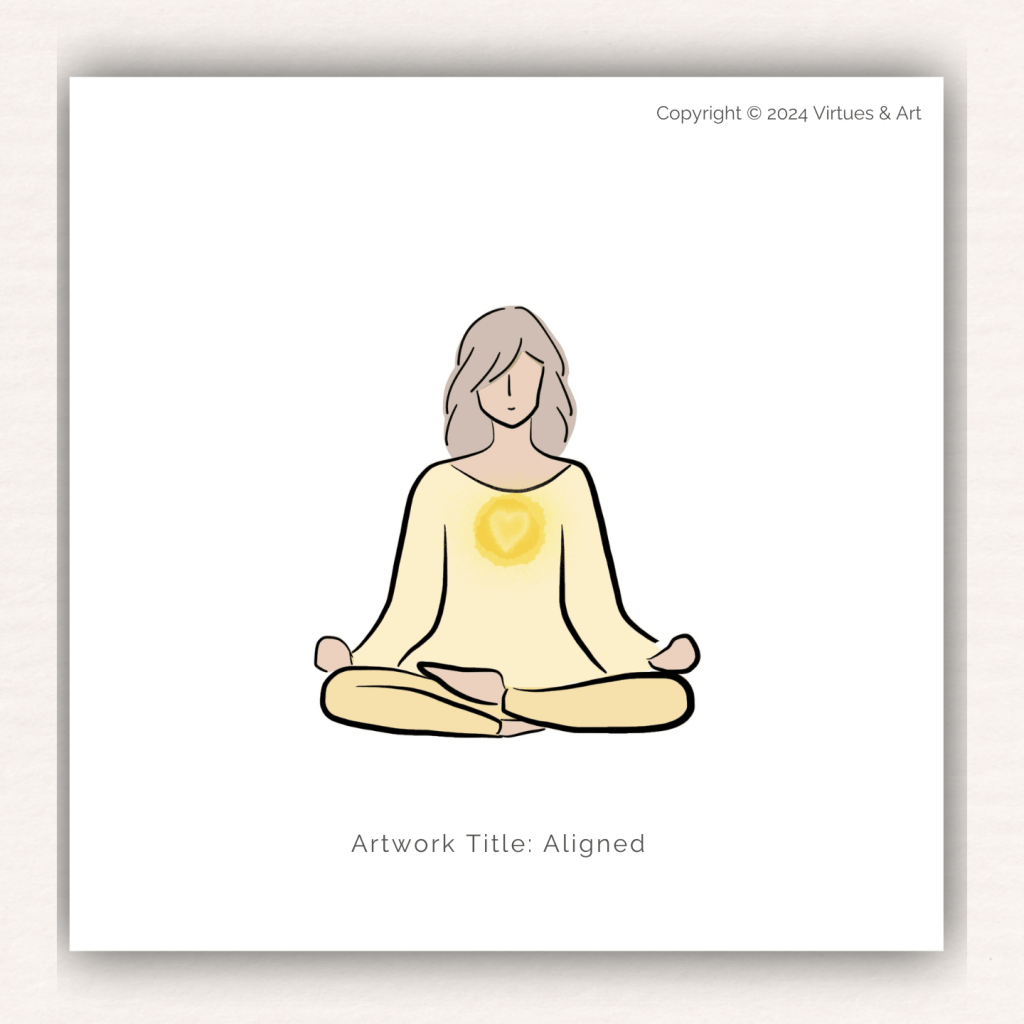
Article 22:How Therapeutic Art Supports Personal Wellness
Therapeutic art is a powerful tool for personal wellness, offering a creative way to process emotions, reduce stress, and enhance mental clarity. By engaging with art regularly, you create space for healing and self-reflection, supporting both your emotional and mental well-being. How Therapeutic Art Nurtures Wellness: Emotional Release and ProcessingWhen life feels overwhelming, therapeutic art…
-
Article 20: How Environmental Design Enhances Personal Well-Being
The spaces we live in have a profound impact on how we feel and think. Environmental design—especially when infused with therapeutic art—can create a sanctuary that promotes inner calm, creativity, and well-being. Designing your personal space with intention can foster mental clarity, emotional balance, and overall happiness. How Environmental Design Affects Your Inner WorldReducing Stress…
-
Article 19: How Symbols Serve as a Visual Coach for Personal Growth
In the practice of therapeutic art, symbols hold incredible power. They act as silent guides, gently influencing your thoughts, emotions, and actions. By incorporating symbolic imagery into your art practice, you create visual cues that remind you of your personal goals, values, and aspirations. How Symbols Guide Your Personal Journey Non-Verbal Expression of ValuesSymbols offer…
-
Article 18: The Healing Power of Silence in Meditation and Art
Silence is a powerful but often overlooked tool for healing and reflection. Both in meditation and art, silence creates a space for deeper connection to ourselves and our inner world, allowing us to access insights and healing that are otherwise difficult to reach. How Silence Enhances Healing in Meditation and Art Silence holds incredible healing…
-
Article 17: How to Use Art as a Tool for Mindful Focus
Mindfulness is the practice of being present in the moment, fully engaged with whatever we are doing. Art, when used mindfully, becomes a powerful tool for focus and mental clarity, helping us develop greater awareness and calmness in our daily lives. Using Art to Enhance Mindful Focus Art can be a powerful tool for cultivating…
-
Article 15: The Power of Visual Journaling for Self-Reflection
Visual journaling combines art and reflection, offering a powerful way to explore your emotions, thoughts, and experiences without relying solely on words. It opens the door to self-discovery through creativity, allowing you to process feelings and gain insights that words alone may struggle to express. How Visual Journaling Promotes Self-Reflection Visual journaling is a powerful…
-
Article 14: The Biochemical Impact of Meditation and How It Reduces Performance Anxiety
Meditation is not only a tool for mental clarity but also has profound effects on the body’s biochemistry. By regulating hormones and neurotransmitters, meditation can help reduce anxiety, particularly performance-related anxiety, allowing us to perform at our best with a sense of calm and focus. How Meditation Affects Biochemistry Using Meditation to Reduce Performance Anxiety…
 Virtues & Art