Tag: personal growth
-
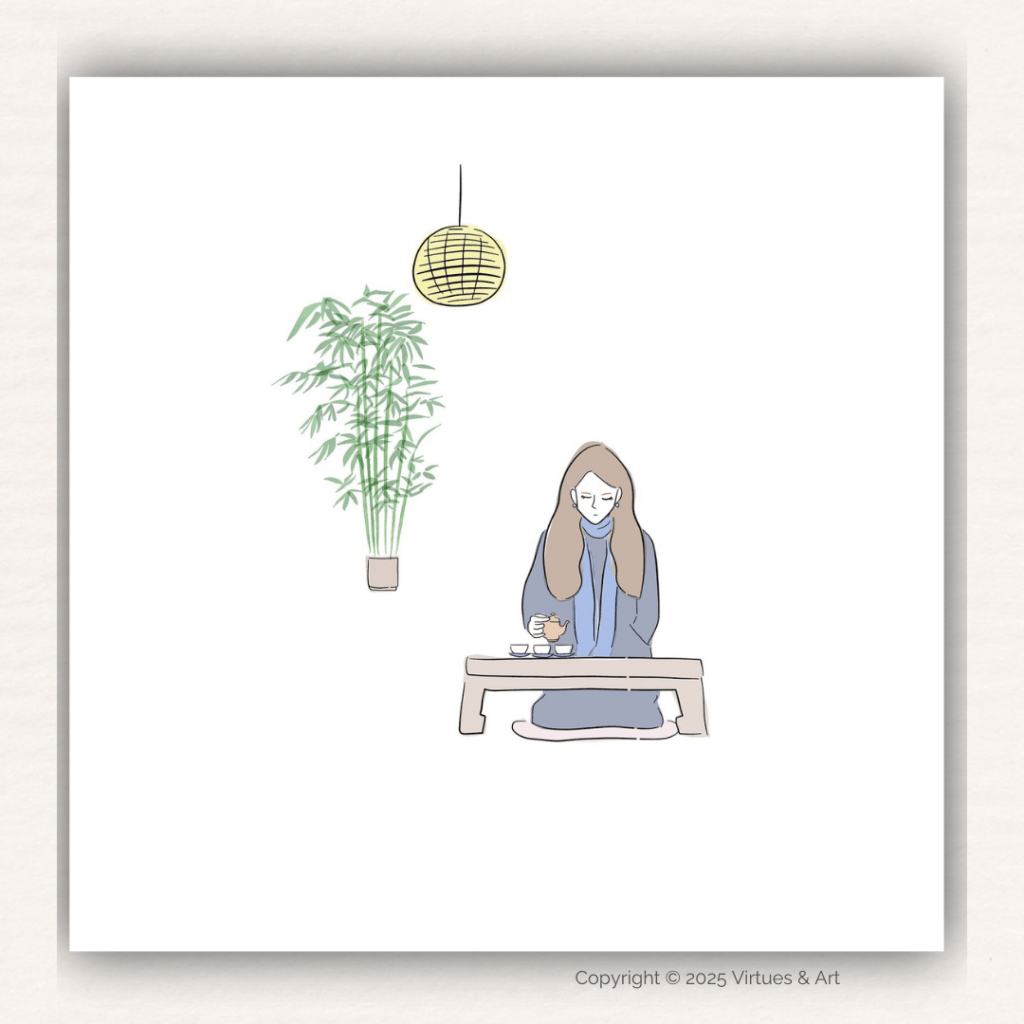
Article 39: Caring for Your Self-Esteem Health
In the bustling rhythm of modern life, self-esteem is a crucial aspect of our mental health that often gets overlooked. While anxiety and depression receive much-needed attention, the foundational role of self-esteem in our mental and emotional landscape is frequently underestimated. This article explores why it’s vital to nurture our self-esteem and how art can…
-

Article 37: The Timeless Formula for Sustainable Growth: Fundamentals + Novelty
In our fast-paced world, where we’re constantly looking for ways to stay engaged and keep evolving, it’s easy to overlook a simple yet profound principle: sustainable success arises from a balance of fundamentals and novelty. This formula, found in nearly every aspect of nature and human life, can profoundly enhance not only our achievements but…
-
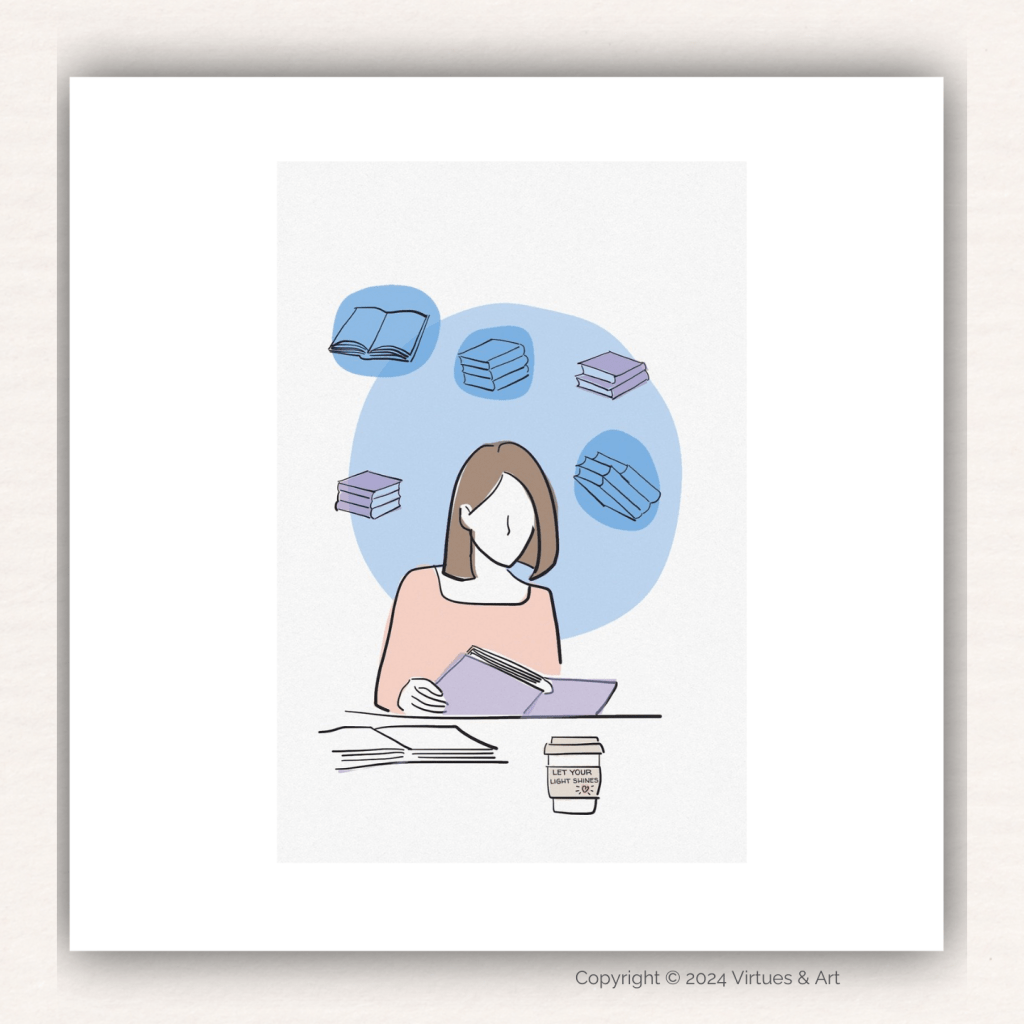
Article 33: Symbolism and How We Use It to Build Our Conceptual World
Symbols are the building blocks of our conceptual world. They allow us to encapsulate complex ideas, emotions, and experiences into a form that can be shared, remembered, and understood. This article explores how symbols shape our thinking, create our conceptual frameworks, and influence the way we interpret reality. By understanding the role of symbolism in…
-
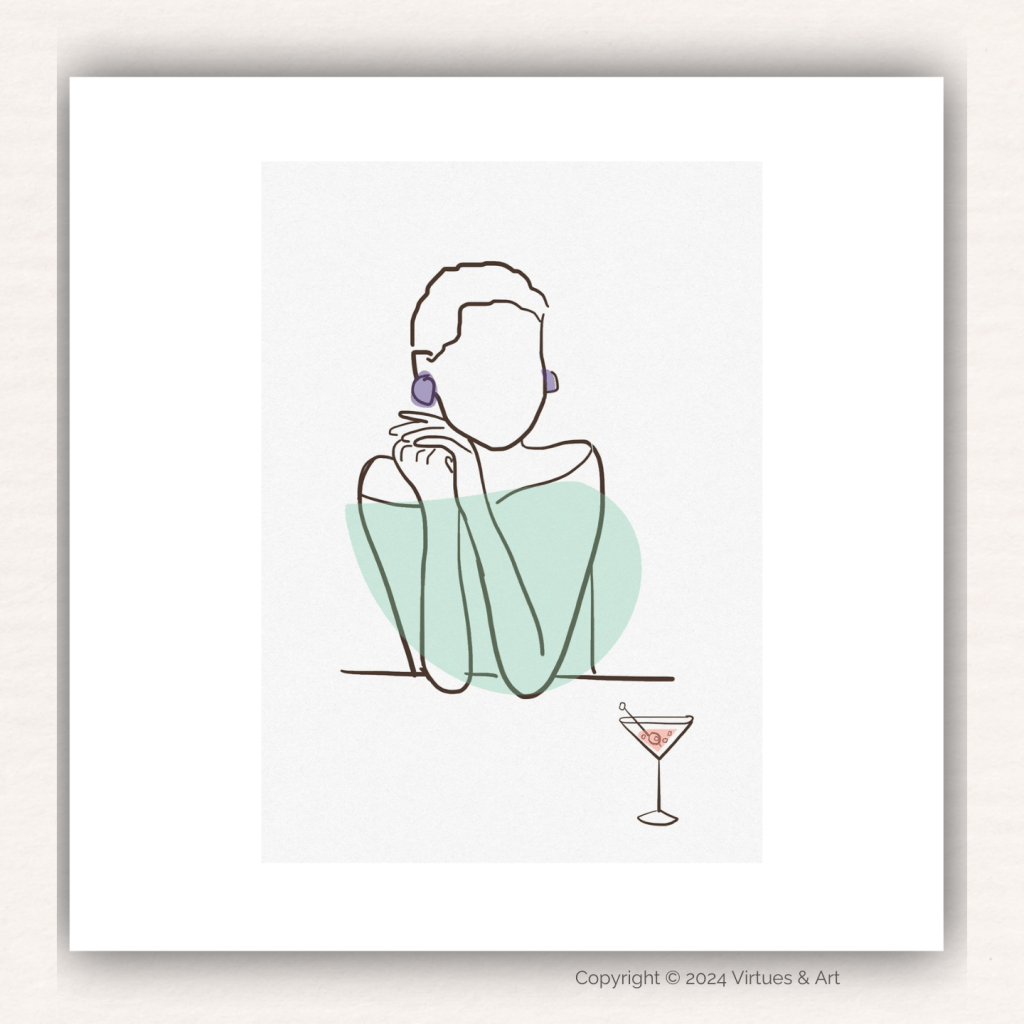
Article 31: Self-Schema Theory and Its Role in Self-Understanding
Self-schema theory is a psychological concept that helps explain how we see ourselves and interpret our experiences. Our self-schema is essentially the mental framework we use to organize information about ourselves, shaping our perceptions, behaviors, and interactions. By understanding self-schema theory, we gain insight into the way our identities influence our daily lives and the…
-
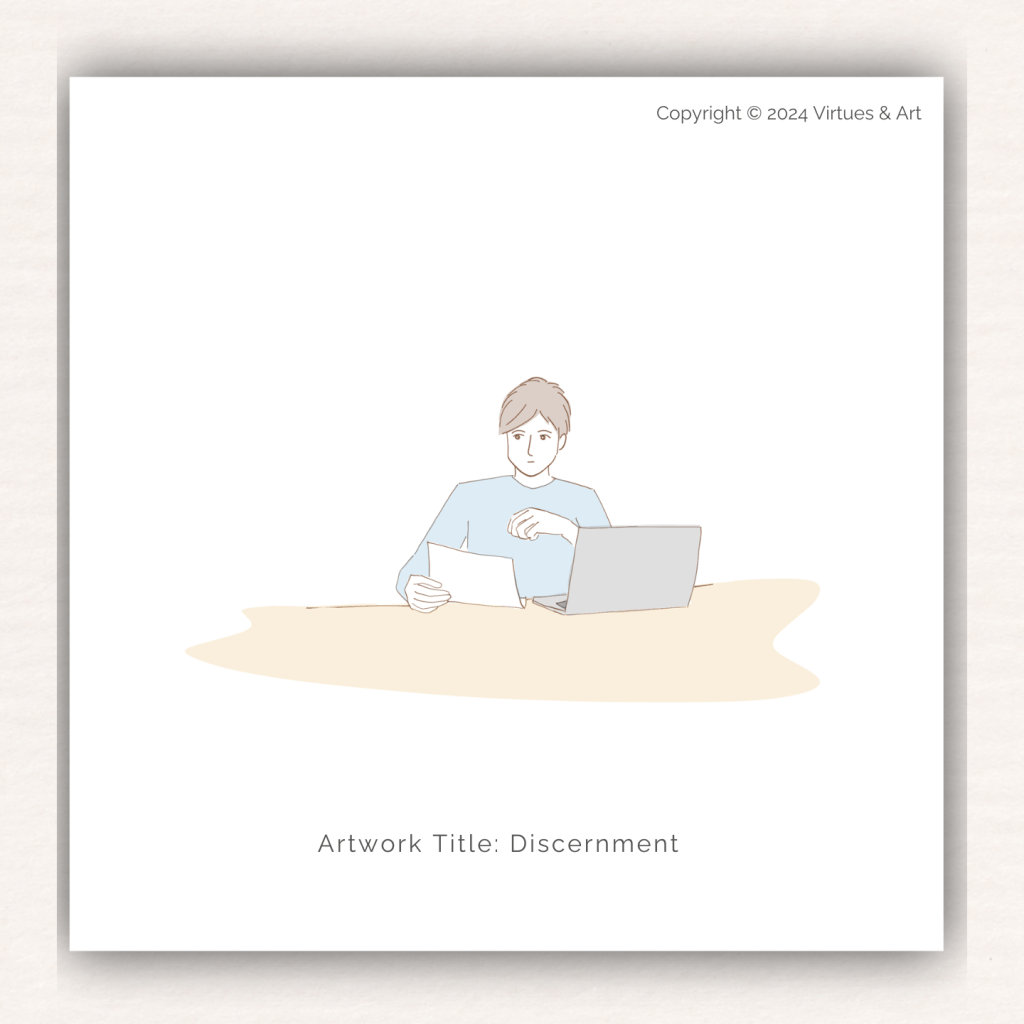
Article 30: Objectivity vs. Subjectivity—Why It Matters and How It Shapes Our Understanding
Understanding the distinction between objectivity and subjectivity is crucial in navigating our perceptions and interactions. Objectivity refers to perceiving and accepting things as they truly are, without personal feelings and biases, while subjectivity involves how personal feelings, tastes, and opinions affect one’s perception. The Importance of Objectivity: Objectivity allows for a clearer, more factual understanding…
-
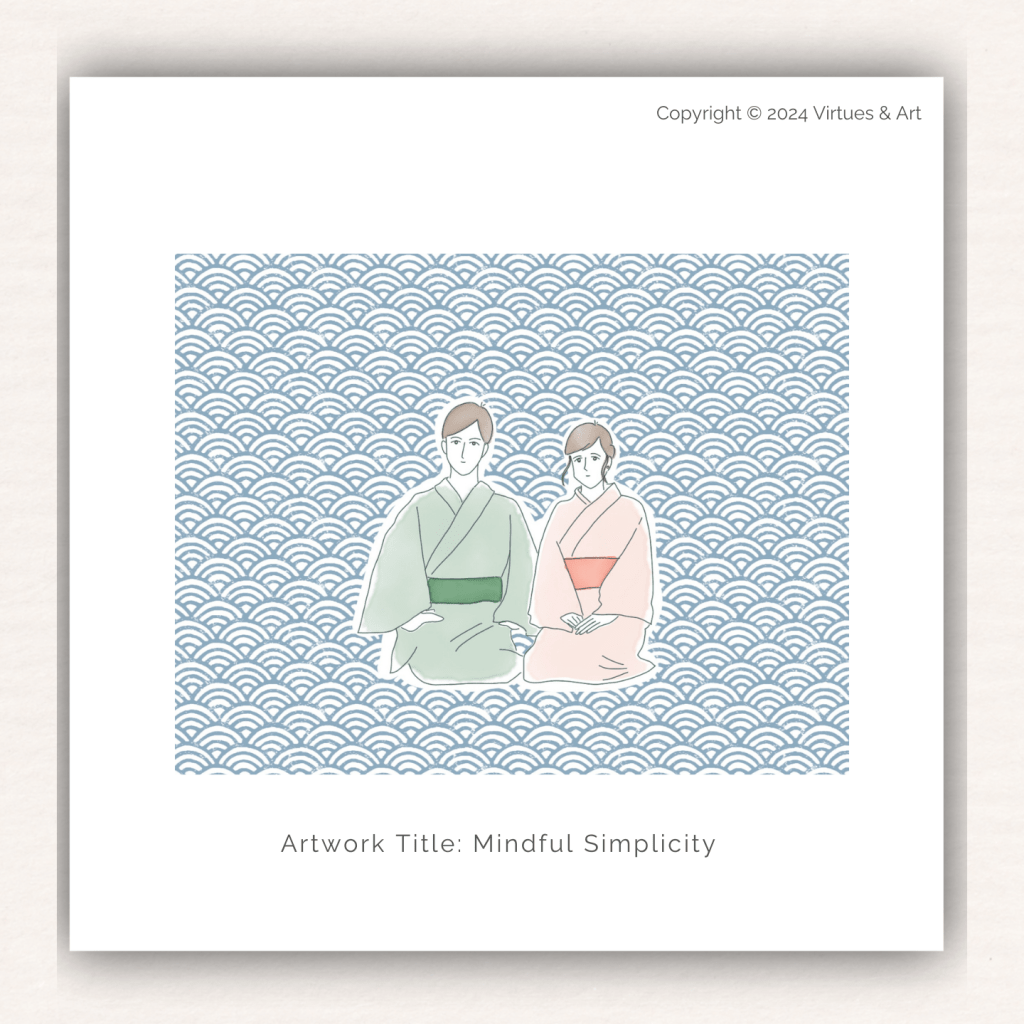
Article 25: Lessons From Ancient Japan—How Art Can Support Our Well-Being and Self-Care
In ancient Japan, art was deeply intertwined with spirituality, nature, and mindfulness. From the delicate strokes of calligraphy to the serenity of Zen gardens, Japanese art was a reflection of the mind and soul. This article explores how art was used in ancient Japan and what we can learn from it to enhance our self-care…
-

Article 24: How Art Was Used in Ancient Rome and How We Can Incorporate It Into Our Lives
In ancient Rome, art was more than just a form of expression—it was a powerful tool for shaping culture, identity, and personal growth. Romans used art to communicate values, depict history, and enhance their daily lives. This article explores how art was used in ancient Rome and how we can adopt similar practices today to…
-
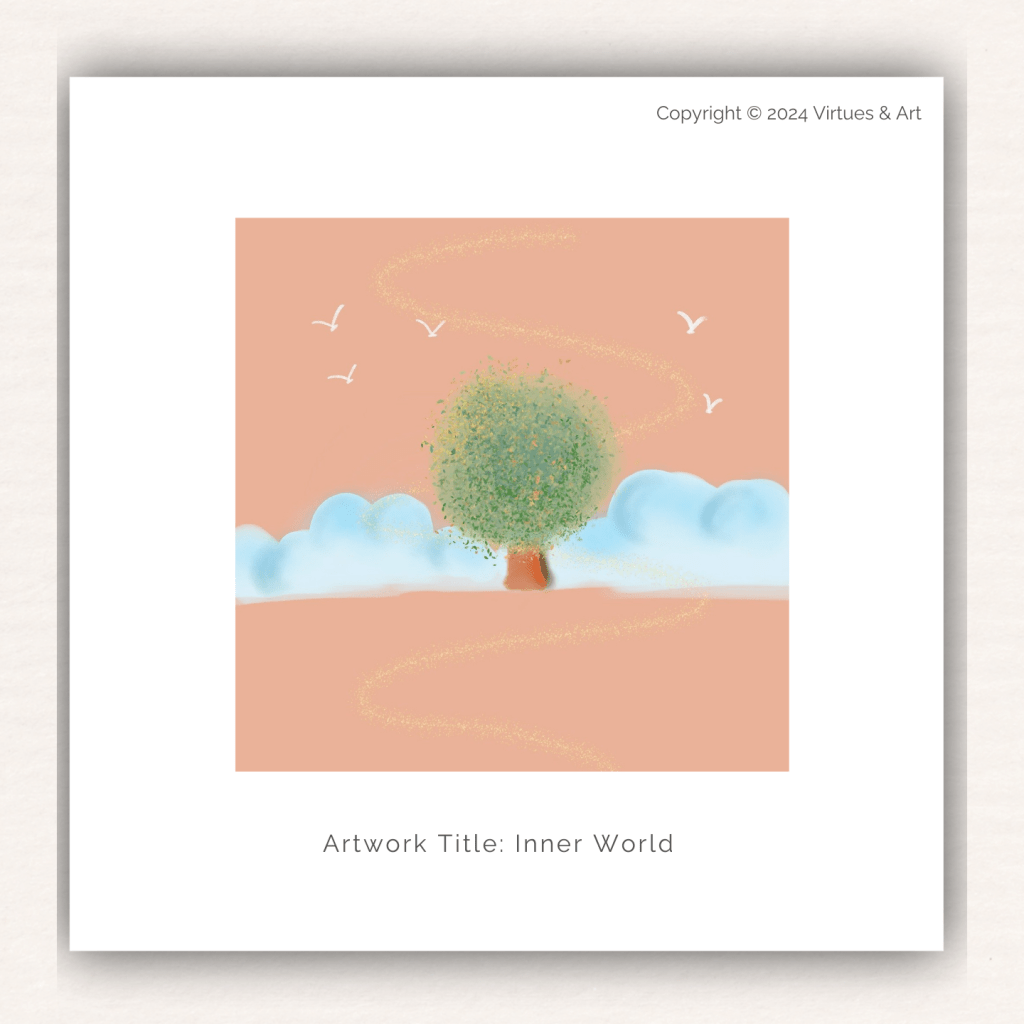
Article 23: How Art Regulates Your Nervous System and Promotes Calmness
In moments of stress, our bodies often react physically—racing heart, tense muscles, shallow breathing. Therapeutic art offers a gentle way to regulate your nervous system and promote calmness, helping your body shift from stress to relaxation. How Art Calms the Nervous System:Activating the Parasympathetic Nervous SystemEngaging with art, especially calming visuals, activates the parasympathetic nervous…
-
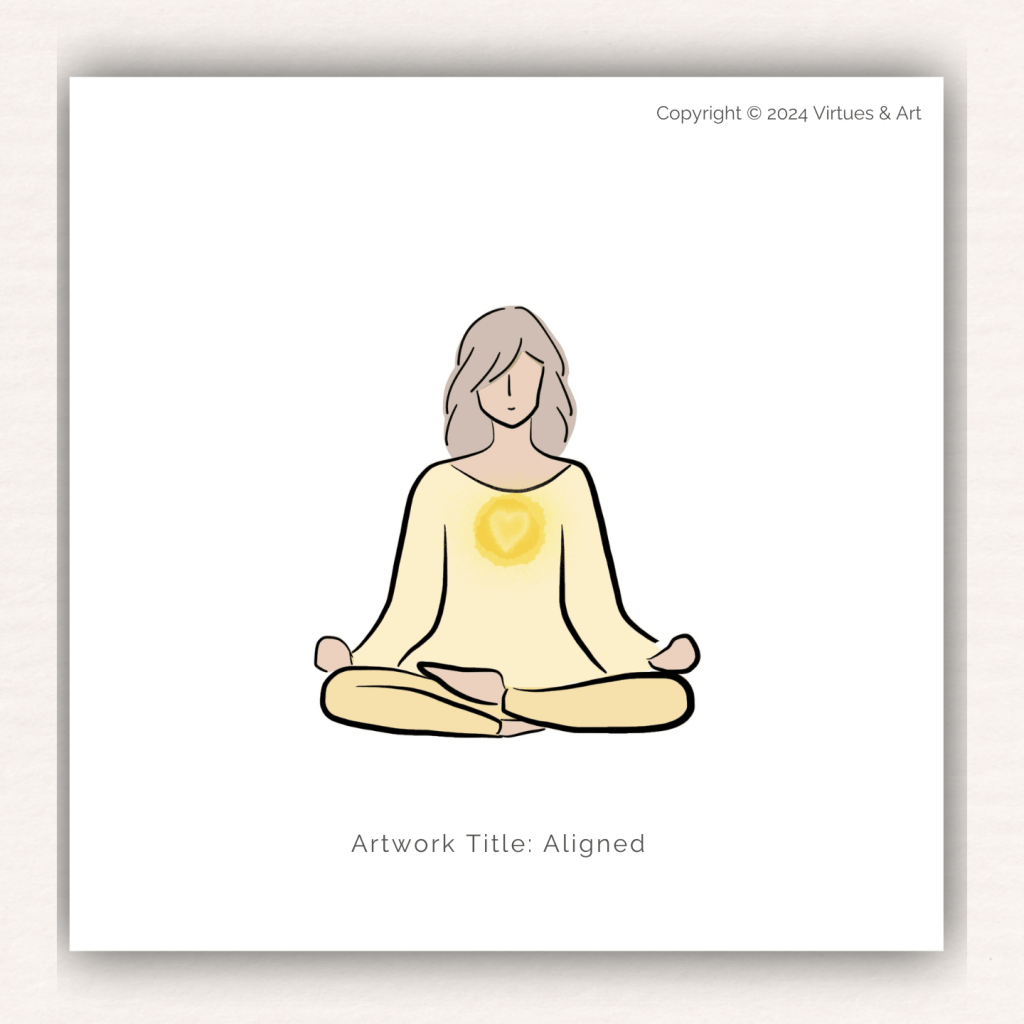
Article 22:How Therapeutic Art Supports Personal Wellness
Therapeutic art is a powerful tool for personal wellness, offering a creative way to process emotions, reduce stress, and enhance mental clarity. By engaging with art regularly, you create space for healing and self-reflection, supporting both your emotional and mental well-being. How Therapeutic Art Nurtures Wellness: Emotional Release and ProcessingWhen life feels overwhelming, therapeutic art…
-
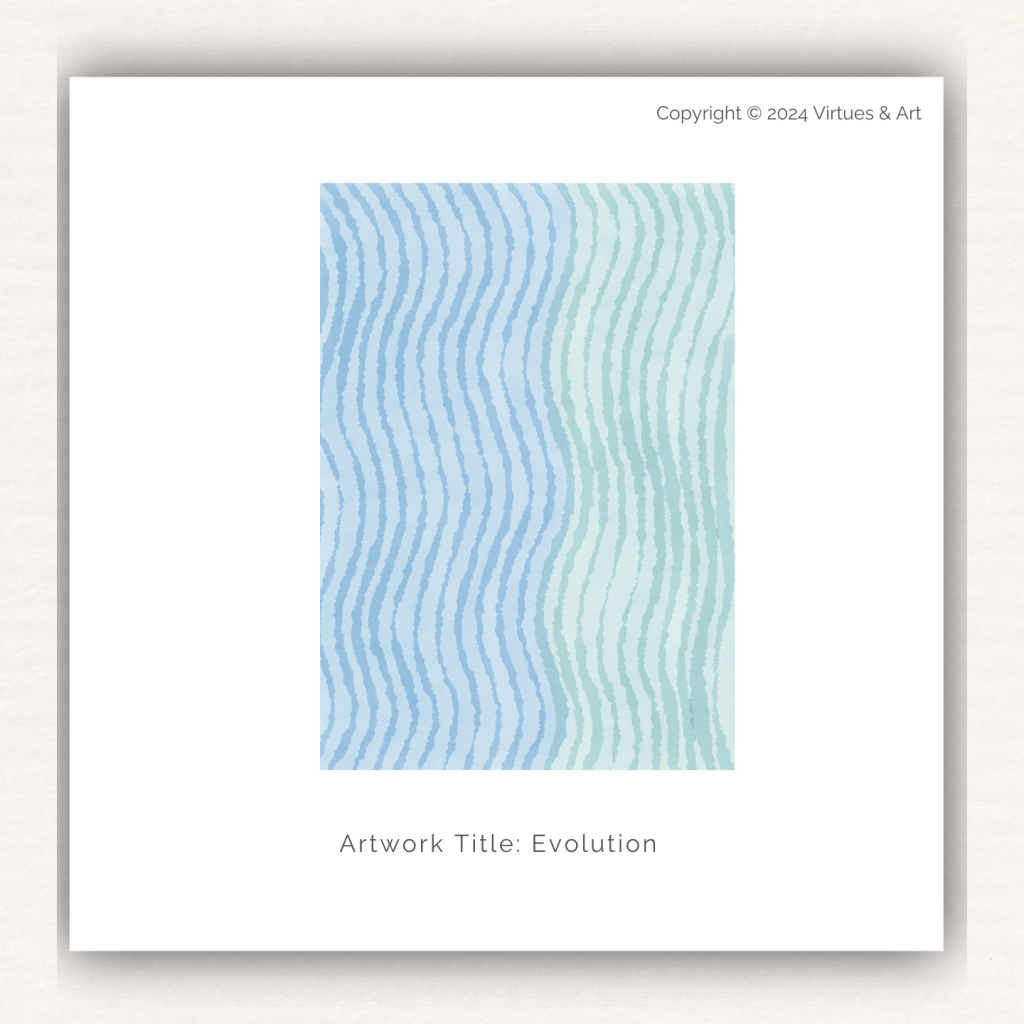
Article 21: How Colors in Art Affect Your Mood and Emotions
Colors have a profound impact on how we feel. In therapeutic art, choosing the right colors can help shape your emotional landscape, fostering calmness, energy, or creativity depending on your needs. Understanding the psychological effects of color can transform how you use therapeutic art for emotional balance. How Colors Shape Your Emotional ExperienceBlue for Calm…
 Virtues & Art