Tag: therapeutic art
-
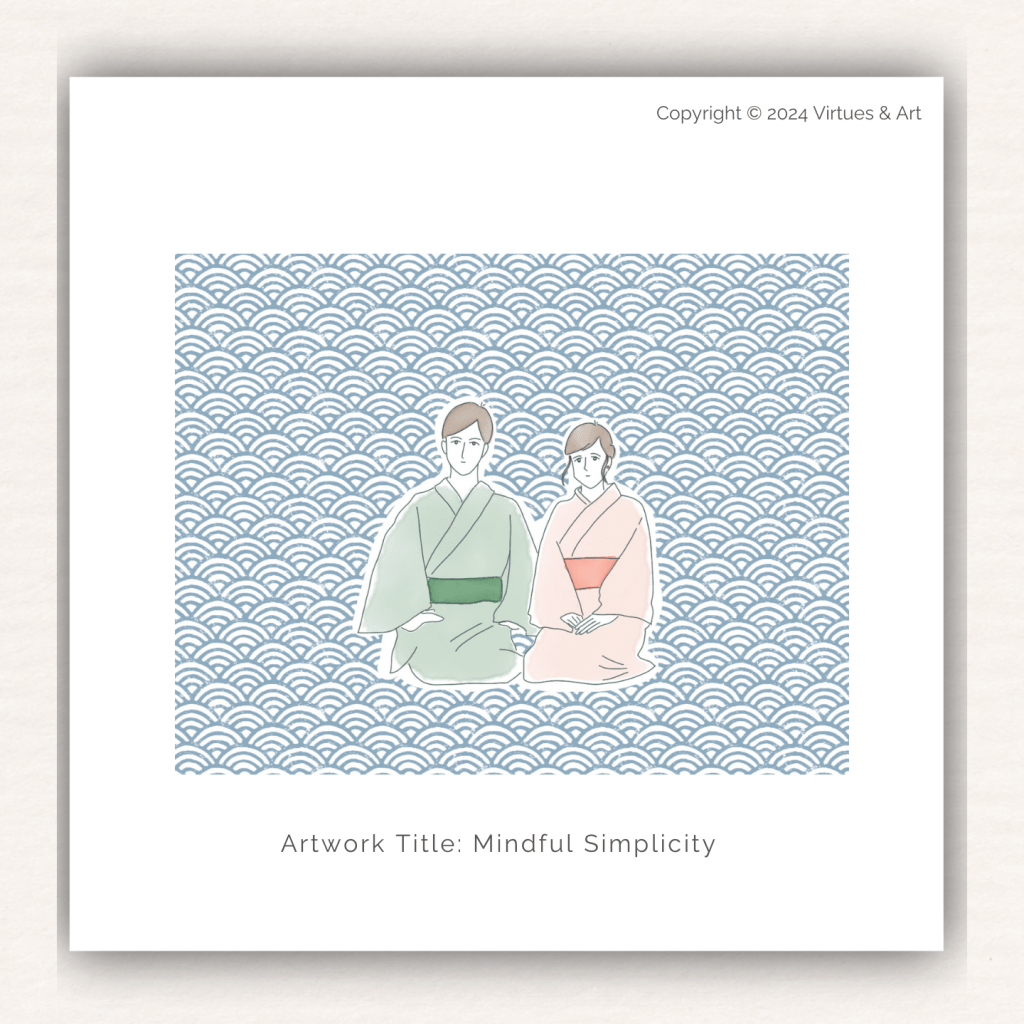
Article 25: Lessons From Ancient Japan—How Art Can Support Our Well-Being and Self-Care
In ancient Japan, art was deeply intertwined with spirituality, nature, and mindfulness. From the delicate strokes of calligraphy to the serenity of Zen gardens, Japanese art was a reflection of the mind and soul. This article explores how art was used in ancient Japan and what we can learn from it to enhance our self-care…
-
Article 23: How Art Regulates Your Nervous System and Promotes Calmness
In moments of stress, our bodies often react physically—racing heart, tense muscles, shallow breathing. Therapeutic art offers a gentle way to regulate your nervous system and promote calmness, helping your body shift from stress to relaxation. How Art Calms the Nervous System:Activating the Parasympathetic Nervous SystemEngaging with art, especially calming visuals, activates the parasympathetic nervous…
-
Article 22:How Therapeutic Art Supports Personal Wellness
Therapeutic art is a powerful tool for personal wellness, offering a creative way to process emotions, reduce stress, and enhance mental clarity. By engaging with art regularly, you create space for healing and self-reflection, supporting both your emotional and mental well-being. How Therapeutic Art Nurtures Wellness: Emotional Release and ProcessingWhen life feels overwhelming, therapeutic art…
-
Article 21: How Colors in Art Affect Your Mood and Emotions
Colors have a profound impact on how we feel. In therapeutic art, choosing the right colors can help shape your emotional landscape, fostering calmness, energy, or creativity depending on your needs. Understanding the psychological effects of color can transform how you use therapeutic art for emotional balance. How Colors Shape Your Emotional ExperienceBlue for Calm…
-
Article 20: How Environmental Design Enhances Personal Well-Being
The spaces we live in have a profound impact on how we feel and think. Environmental design—especially when infused with therapeutic art—can create a sanctuary that promotes inner calm, creativity, and well-being. Designing your personal space with intention can foster mental clarity, emotional balance, and overall happiness. How Environmental Design Affects Your Inner WorldReducing Stress…
-
Article 18: The Healing Power of Silence in Meditation and Art
Silence is a powerful but often overlooked tool for healing and reflection. Both in meditation and art, silence creates a space for deeper connection to ourselves and our inner world, allowing us to access insights and healing that are otherwise difficult to reach. How Silence Enhances Healing in Meditation and Art Silence in MeditationIn meditation,…
-
Article 17: How to Use Art as a Tool for Mindful Focus
Mindfulness is the practice of being present in the moment, fully engaged with whatever we are doing. Art, when used mindfully, becomes a powerful tool for focus and mental clarity, helping us develop greater awareness and calmness in our daily lives. Using Art to Enhance Mindful Focus Single-Tasking with ArtIn our busy lives, we often…
-
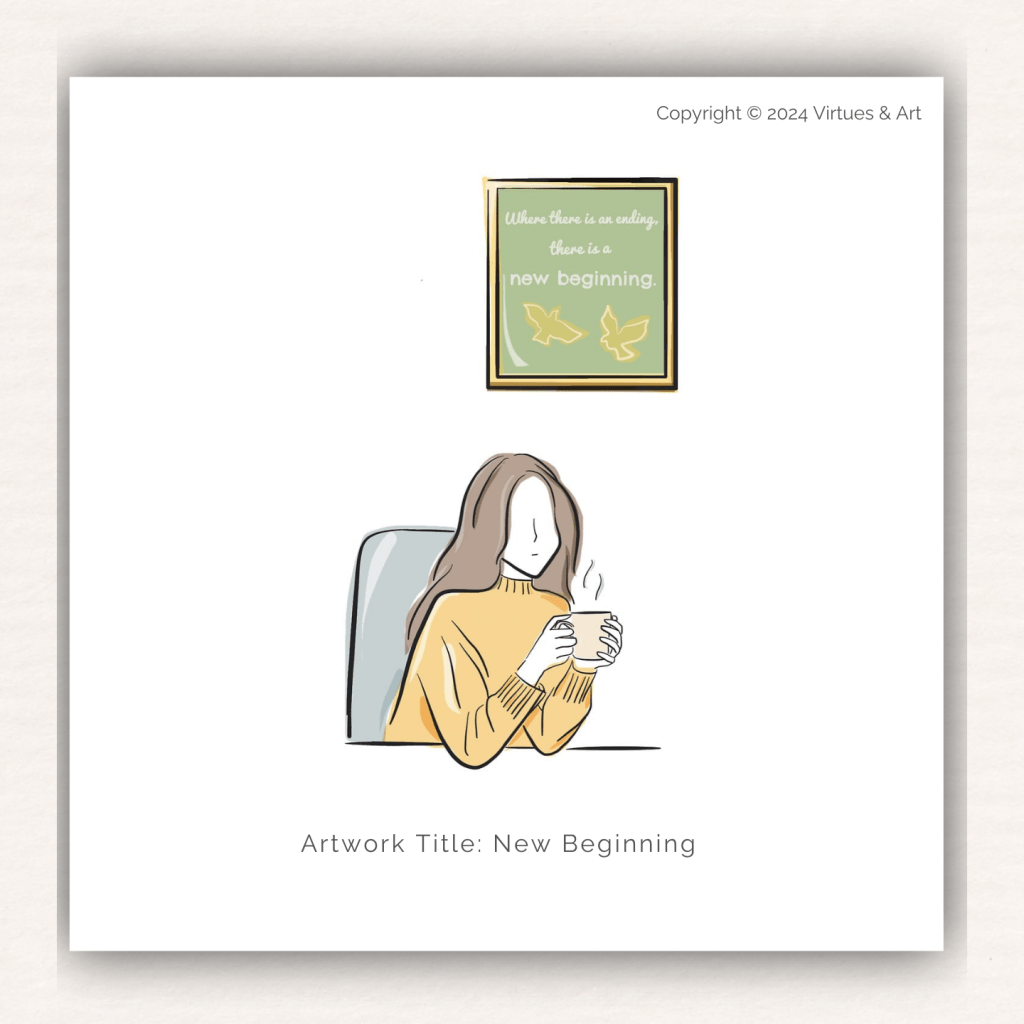
Article 16: The Role of Imagination in Emotional Healing
Imagination is often associated with creativity and play, but it also holds incredible power in emotional healing. When combined with art and meditation, imagination helps us explore new perspectives, rewrite narratives, and engage in transformative healing. How Imagination Supports Emotional Healing Visualizing New PossibilitiesImagination allows us to see beyond our current circumstances and envision new…
-
Article 3: The History, Practice, and Evidence-Based Benefits of Therapeutic Art
Therapeutic art is rooted in ancient practices and has grown into a modern wellness tool. Although it is not clinical in nature, there is strong evidence supporting the positive impact of creative activities on mental, emotional, and cognitive well-being. A Brief History of Therapeutic Art Ancient Practices: Humans have used art for expression and healing…
-
Article 2: Principles of Therapeutic Art
Therapeutic art rests on several principles that guide the creative process toward emotional well-being. While some principles are borrowed from art therapy, therapeutic art offers more freedom and flexibility, focusing on personal discovery, relaxation, and self-expression. Core Principles of Therapeutic Art Therapeutic art encourages free expression without the need for technical skill. The focus is…

